The idyllic Muskoka cottage experience comes with significant hidden operational costs and unwritten rules that are rarely advertised.
- High rental prices are just the start; budget for premium groceries, mandatory boat licenses, and potential supply runs for basics like drinking water.
- Your trip’s success depends on navigating an “environmental calendar,” avoiding peak bug season (late May-June) and understanding cold water risks in early summer.
Recommendation: Verify infrastructure details (water source, power backup) and understand lake etiquette before booking to ensure your vacation matches your expectations.
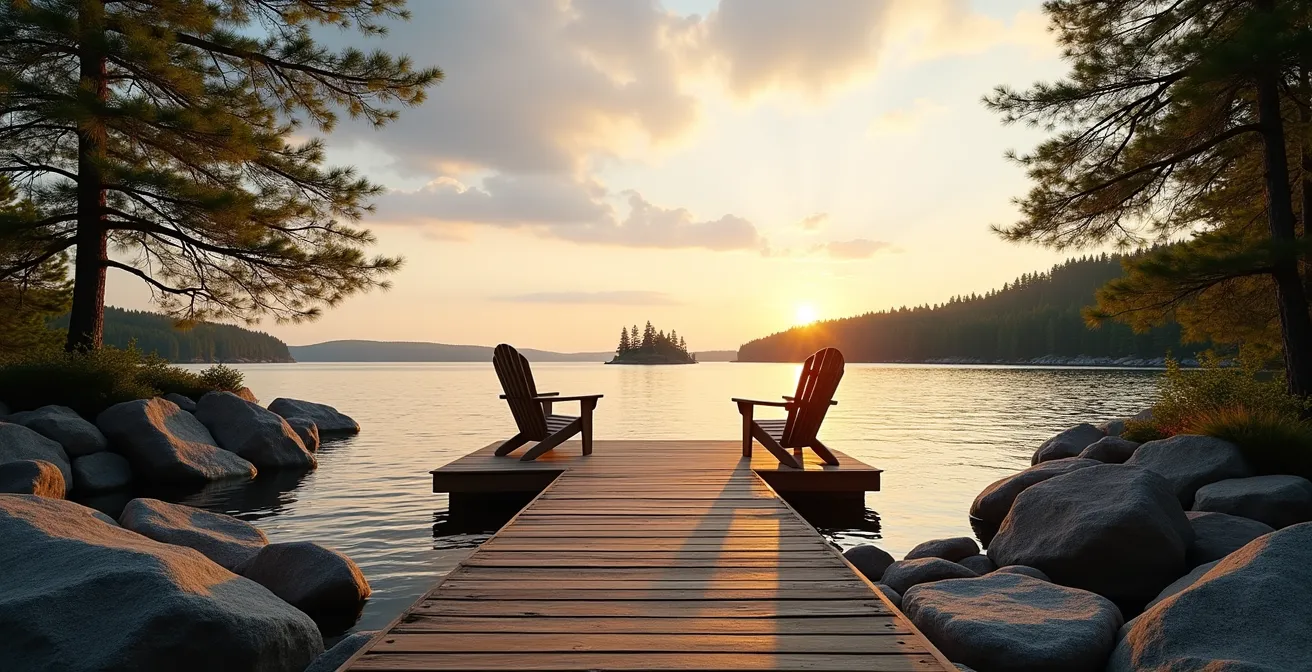
The quintessential Canadian cottage dream often features a dock bathed in golden-hour light, the gentle lapping of water against granite shores, and a cozy cabin nestled among pine trees. For many families, especially those visiting for the first time, Muskoka, Ontario, is the epicentre of this fantasy. Lured by stunning online photos and a reputation for rustic luxury, they book a week-long escape, ready for relaxation. However, the reality of renting in this iconic region often involves a steep learning curve and a series of unexpected costs and challenges that are rarely mentioned in the rental listings.
Most online advice focuses on booking early or finding the right size cottage. But these tips barely scratch the surface. The real challenge—and the source of potential frustration—lies in the gap between the polished image and the operational realities of cottage life. From understanding local bylaws for boating to knowing why you might need to bring your own drinking water, being unprepared can quickly turn a dream vacation into a stressful and expensive ordeal. What listings don’t tell you is that a successful Muskoka trip requires more than just a credit card; it requires a mindset of self-reliance and insider knowledge.
But what if you could sidestep these rookie mistakes? The key isn’t to abandon the dream, but to go into it with your eyes wide open. This guide moves beyond the generic advice to give you a specialist’s briefing on the hidden costs—financial, practical, and experiential. We will deconstruct the price differences between lake regions, clarify the rules of the water, and prepare you for the environmental and infrastructural nuances that define the authentic Muskoka experience, ensuring your family vacation is memorable for all the right reasons.
To help you navigate these complexities, this article breaks down the essential, often-overlooked aspects of renting a cottage in Muskoka. From budgeting and on-water legalities to environmental factors and infrastructure realities, consider this your insider’s guide to planning a seamless and truly enjoyable cottage getaway.
Summary: Decoding the Realities of a Muskoka Cottage Rental
- Muskoka vs. Kawarthas: Which Lake Region Fits Your Family Budget?
- Do You Need a Pleasure Craft Operator Card to Rent a Boat in Ontario?
- Black Flies and Mosquitoes: When Is the Worst Time to Rent a Cottage?
- Why Many Traditional Cottages Don’t Include Drinking Water or Linens?
- Swimming in Northern Lakes: How to Avoid Cold Water Shock in Early Summer?
- Luxury vs. Rustic: Are Lighthouse Stays Comfortable or Spooky?
- Driving Through a Prairie Supercell: What to Do If You See a Tornado?
- City Breaks vs. Nature Escapes: What Is the Ideal Ratio for a First Trip?
Muskoka vs. Kawarthas: Which Lake Region Fits Your Family Budget?
The first major decision in planning your cottage vacation is location, and the price difference between Ontario’s premier cottage regions can be staggering. While both Muskoka and the Kawartha Lakes offer beautiful scenery and are a similar distance from Toronto, their price points and atmosphere are worlds apart. Muskoka’s reputation, burnished by its selection as a ‘Best of The World’ destination by National Geographic, has created a premium market. Here, it’s not uncommon to find that luxury Muskoka properties typically rent for $3,000-$8,000 per week during peak season. This price reflects not only the high-end properties but also the surrounding ecosystem of luxury marinas, fine dining, and boutique shopping in towns like Port Carling and Rosseau.
The Kawarthas, on the other hand, offer a more laid-back and budget-friendly alternative that often aligns better with a classic, family-focused cottage experience. While still offering stunning lakes and charming towns, the rental prices and ancillary costs are significantly lower. For families, this can mean the difference between a budget-straining week and a comfortable vacation with money left over for activities. The higher cost in Muskoka extends beyond the rental fee, impacting everything from groceries to restaurant meals.
To make an informed decision, it’s crucial to compare the total cost of the experience, not just the weekly rental rate. This comparative breakdown highlights the key financial differences for a family planning their trip.
| Factor | Muskoka | Kawarthas |
|---|---|---|
| Weekly Rental (Peak Season) | $3,000-$8,000+ | $1,500-$3,600 |
| Distance from Toronto | 2 hours | 1.5-2 hours |
| Public Beach Access | Limited | More Provincial Parks |
| Premium Grocery Costs | 15-25% higher | 5-10% higher |
Ultimately, the choice depends on your family’s priorities. If the goal is a high-end experience with access to luxury amenities, Muskoka delivers. If you’re seeking a more traditional and affordable cottage vacation with a focus on value, the Kawarthas are likely the better fit. As this cost breakdown from rental experts shows, understanding this fundamental budget difference is the first step to a successful trip.
Do You Need a Pleasure Craft Operator Card to Rent a Boat in Ontario?
For many, the quintessential cottage experience is incomplete without a boat. However, a crucial mistake many first-time renters make is underestimating the legal requirements and practical knowledge needed to operate a vessel on Ontario’s waterways. The simple answer is yes, you generally need proof of competency to operate a motorized boat in Canada. The most common form is the Pleasure Craft Operator Card (PCOC), which is obtained by passing a test. However, there’s a loophole that many marinas and rental agencies use: a rental boat safety checklist. By completing this on-site checklist, you are granted a temporary, site-specific license valid only for the duration of your rental.
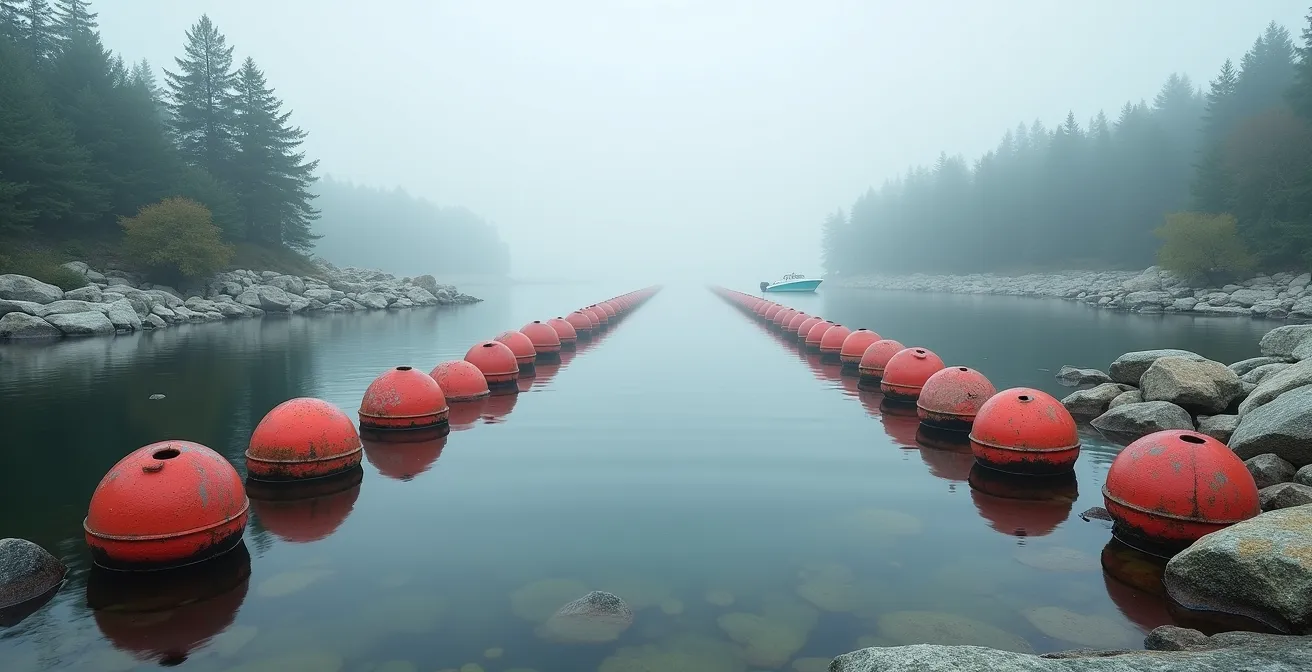
While this seems like a convenient shortcut, it’s a poor substitute for genuine knowledge. The checklist covers only the most basic safety equipment and does not prepare you for the realities of navigating a busy, rock-strewn Muskoka lake. Understanding the meaning of red and green navigation buoys, knowing the right-of-way rules between a sailboat and a motorboat, and practicing unwritten lake etiquette—like minimizing your wake near shorelines—are all critical for safety and for being a good neighbour on the water. Relying solely on the temporary checklist can leave you unprepared for real-world situations and may even have implications for your personal insurance coverage in the event of an accident.
Before you even step on a dock, it’s vital to arm yourself with more than just a temporary pass. The following checklist outlines the essential knowledge areas to review, ensuring you’re not just legally compliant, but genuinely competent and safe on the water.
Your Pre-Boating Knowledge Checklist: Beyond the Operator Card
- Understand the rental boat safety checklist loophole: Recognize it’s a legal temporary alternative but has significant knowledge limitations.
- Review navigation buoy meanings: Study the specific red and green buoy system used to mark safe channels in Muskoka’s often-rocky waterways.
- Learn right-of-way rules: Know the hierarchy and rules of engagement between different watercraft types (motorboats, sailboats, kayaks, etc.).
- Check personal insurance coverage gaps: Confirm if your personal liability insurance covers boating accidents, as marina insurance may not fully protect you.
- Study unwritten lake etiquette: Learn about wake courtesy near docks and shorelines, as well as respecting “cottage quiet hours” which extend to on-water activities.
Black Flies and Mosquitoes: When Is the Worst Time to Rent a Cottage?
One of the most significant “hidden costs” of a Muskoka vacation isn’t financial, but experiential: biting insects. Failing to plan your trip around the “environmental calendar” can severely impact your ability to enjoy the outdoors. The two main culprits are black flies and mosquitoes, and their peak seasons are distinct. The absolute worst time for outdoor activities is during peak black fly season, which runs from late May through all of June. These aggressive daytime biters can make hiking, dining on the deck, or even just relaxing by the water a miserable experience.
Once the black flies subside in July, the mosquitoes take over. While less aggressive, mosquitoes are most active at dusk and dawn from June through August, which can disrupt two of the most cherished cottage activities: evening campfires and late-night stargazing. Weather plays a significant role in their intensity; a particularly wet spring will almost certainly lead to a worse-than-average mosquito population throughout the summer. Conversely, black flies tend to be less active on windy days, so choosing a cottage on a windswept point can offer some natural relief.
Experienced cottagers and rental owners have developed strategies to mitigate this. The most prominent is the ‘Muskoka Room’—a screened-in porch or three-season room that has become a near-essential feature for enjoying evenings during bug season. When booking a rental, especially for June or July, a property with a well-maintained Muskoka Room, deck fans, or other bug-deterrent amenities can be worth a premium price. It provides a crucial sanctuary, allowing you to feel like you’re outdoors without being on the menu. For many, the ability to enjoy a meal or a board game in the evening air, protected from insects, is what saves a trip during the peak bug months.
Why Many Traditional Cottages Don’t Include Drinking Water or Linens?
For renters accustomed to all-inclusive hotels, arriving at a cottage to find no bed sheets and warnings against drinking the tap water can be a shock. This isn’t a sign of a stingy owner; it’s a reflection of the fundamental “infrastructure gap” that defines many rural and traditional cottage properties. Many older cottages, especially on islands or in more remote areas, were built before modern standards and rely on systems that require renter participation to function sustainably. Understanding this is key to setting the right expectations.
First, the water situation. Many cottages draw water directly from the lake or from a shallow well. While this water is typically fine for showering and washing dishes, it is often not potable (safe for drinking) without a robust filtration system. Newer or renovated cottages may have a UV filtration system installed, which makes the water safe, but it’s crucial to verify this with the owner. If not, you are responsible for bringing your own drinking water—a hidden cost and logistical challenge if you don’t plan for it. Furthermore, these properties often rely on a sensitive septic system, which can be easily overwhelmed. Owners may impose water usage restrictions, especially during dry periods, to protect the system and the local environment.
The linen issue is more about logistics and cost-control. As the experts at CottageLINK Rental Management note, “By bringing their own linens, renters are directly helping to keep the base rental cost lower.” Laundering sheets and towels for a multi-bedroom cottage in a remote area without municipal services is a significant operational cost and effort. By making it a renter’s responsibility, owners can offer a lower sticker price. Before you book, always clarify the policy on linens, towels, and even basic kitchen supplies to avoid a last-minute scramble.
To avoid surprises, asking direct questions about these systems is essential. Inquire about the water source (well or lake), if it’s tested regularly for potability, and if there are any usage restrictions. This due diligence is a core part of the self-reliant cottage culture.
Swimming in Northern Lakes: How to Avoid Cold Water Shock in Early Summer?
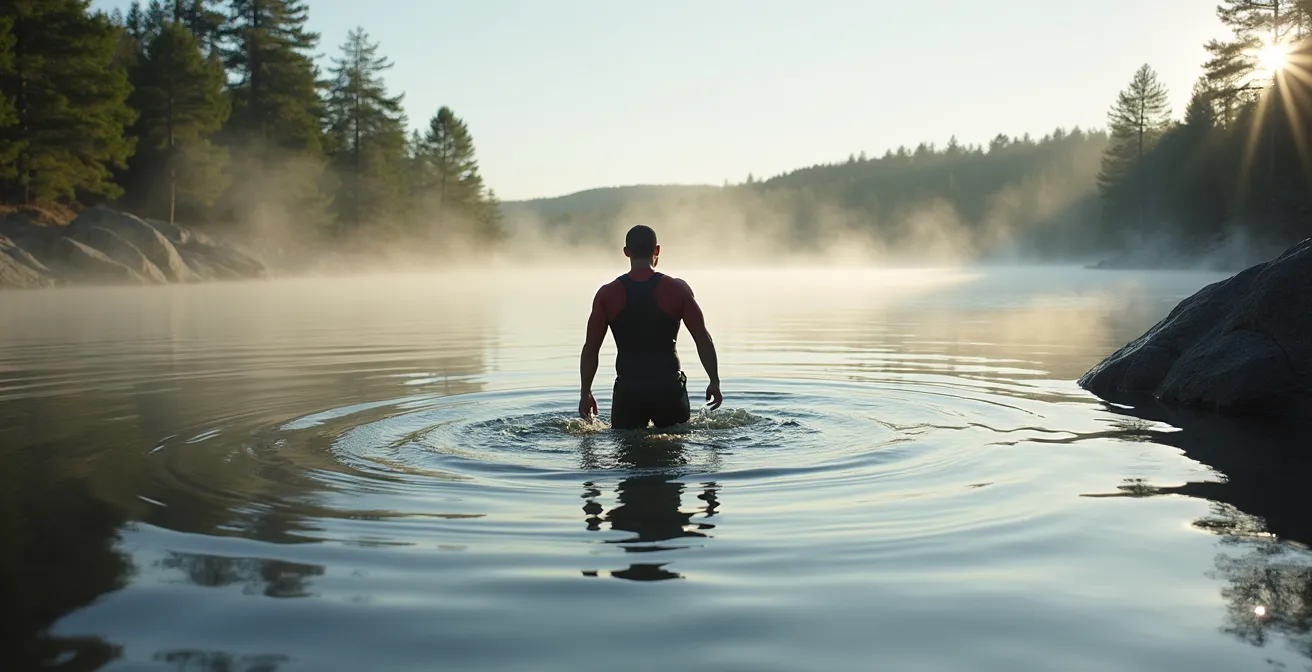
Jumping off the dock into the crystal-clear water is a highlight of any cottage trip. However, in the northern lakes of the Canadian Shield, this simple pleasure comes with a serious, often underestimated risk, especially in the early season. In May and June, while the air temperature can be a pleasant 25°C, the water in these deep, spring-fed lakes may still be a dangerously cold 10-15°C. This massive temperature difference can trigger cold water shock, an involuntary gasp reflex followed by hyperventilation that can lead to drowning, even in strong swimmers.
It’s not just about being “tough.” Cold water shock is a physiological reaction, not a measure of your bravery. The initial shock can incapacitate you in seconds. Canadian water safety experts have developed a crucial rule to help people survive accidental cold water immersion, known as the 1-10-1 Principle. This life-saving guideline is essential knowledge for anyone renting a cottage in the early summer:
- 1 Minute: You have about one minute to get your breathing under control. The shock will cause you to gasp and hyperventilate. You must concentrate on not panicking and controlling your breath. Do not try to swim during this minute.
- 10 Minutes: You will have approximately ten minutes of meaningful movement and muscle control before the cold water begins to render your limbs useless. This is your window to attempt self-rescue.
- 1 Hour: It can take up to an hour before you become unconscious due to hypothermia. If you can’t get out, the goal is to conserve energy and heat while awaiting rescue.
The safest approach is prevention. Never jump into the lake without first testing the water temperature. Acclimatize your body slowly by wading in from a shoreline or using a ladder. For early-season dips, wearing a shorty wetsuit can make a significant difference. Educating your entire family on the 1-10-1 Principle and the dangers of cold water shock is a non-negotiable safety briefing for your trip.
Luxury vs. Rustic: Are Lighthouse Stays Comfortable or Spooky?
The term “rustic” in a cottage rental can mean charmingly simple or genuinely primitive, and understanding the difference is key to a successful vacation. To put the Muskoka definition of “rustic” in perspective, it’s helpful to look at an extreme example from elsewhere in Ontario: lighthouse stays. On the Great Lakes, particularly along the Bruce Peninsula and on islands like Flowerpot Island, you can rent former lighthouse keeper’s quarters. These offer unparalleled isolation and breathtaking views but demand extreme self-reliance. Accommodations often feature composting toilets, no reliable power grid (relying on generators or solar), and boat-only access that is entirely dependent on weather. This is the epitome of a rustic, off-grid experience.
This contrasts sharply with even the most “rustic” cottages in Muskoka. While a basic Muskoka cottage might lack a dishwasher or have dated decor, it is almost always connected to a power grid and accessible by road. Help, supplies, and emergency services are typically just a short drive or boat ride away. The social fabric of Muskoka is one of its defining features; you are part of a community of cottagers, not isolated at a remote outpost. The “luxury” end of the Muskoka spectrum involves modern architecture, high-end appliances, boat houses with living quarters, and professionally landscaped grounds.
Therefore, when you see a Muskoka rental described as “rustic,” it generally refers to an older, more traditional family cabin. It implies a focus on nature over modern amenities, but not a complete lack of them. It’s a far cry from the spooky isolation and logistical challenges of a lighthouse stay. For a first-time family renter, this distinction is important. A rustic Muskoka cottage can provide an authentic and affordable experience without requiring the survivalist skills needed for a true off-grid adventure. It offers a comfortable middle ground between primitive camping and five-star luxury.
Driving Through a Prairie Supercell: What to Do If You See a Tornado?
While the title mentions a Prairie Supercell, a weather phenomenon more common in Western Canada, the true severe weather risk for cottagers in Muskoka is quite different and often underestimated. Instead of large-scale tornadoes, the more relevant and frequent danger in this region of forested hills and lakes is the microburst. A microburst is a sudden, localized, and violent thunderstorm downdraft that can create winds powerful enough to flatten entire stands of trees and capsize boats with very little warning. They are a more insidious threat than tornadoes for the Muskoka region precisely because of their speed and localized nature.
For boaters, being caught on the water during one of these events is extremely dangerous. The primary rule is to head to the nearest shoreline immediately—this may not be your own dock. Once on land, avoid seeking shelter under tall trees due to the high risk of lightning strikes, which are a major component of these storms. The other significant consequence of this severe weather is power failure. The dense forests and above-ground power lines mean that severe storms in Muskoka frequently cause multi-day power outages. This is a critical piece of information that renters must consider.
Before booking, it is essential to ask the cottage owner about their emergency preparedness. Does the rental have a backup power source, such as a generator? Is there a non-electric heat source like a wood stove in case of a prolonged outage in cooler weather? Are emergency supplies like flashlights, candles, and a battery-powered radio provided? A power outage in the city is an inconvenience; a multi-day outage at a remote cottage relying on an electric water pump and stove can be a serious logistical and safety problem. Being prepared for this specific type of weather event is a crucial part of the Muskoka cottage experience.
Key Takeaways
- Budgeting for Muskoka requires factoring in premium costs for groceries and activities, not just the high rental fee.
- Timing is everything: plan your trip outside of the late-May to June black fly season for maximum outdoor enjoyment.
- Always verify the infrastructure: confirm the source and potability of drinking water, and clarify linen policies before you book.
City Breaks vs. Nature Escapes: What Is the Ideal Ratio for a First Trip?
For international visitors or first-time renters, creating an itinerary that balances urban convenience with a nature escape is the smartest strategy for a successful Ontario vacation. Plunging directly into a remote cottage environment can be jarring. A more effective approach is to start with a few days in Toronto. This allows you to acclimatize to Canadian logistics—currency, sales taxes, cell phone plans, and grocery store brands—in a familiar urban setting. It’s the perfect opportunity to do your major supply shopping for the cottage week, where stores are fewer and more expensive.
A recommended ratio for a 10-day to two-week trip is to spend 3 days in Toronto followed by 7 days in Muskoka. While the daily cost of a hotel and dining in Toronto might seem high, the longer stay in Muskoka becomes more cost-effective when you are cooking most of your own meals. This strategy offsets the high upfront weekly rental cost of the cottage. The cottage then serves as a home base for the majority of the trip, from which you can enjoy both tranquil lake days and day trips to explore the charming local towns like Bracebridge, Port Carling, and Huntsville. This blend provides a richer, more balanced experience of Ontario.
This hybrid itinerary blends cultural acclimatization with deep relaxation and exploration. It front-loads the logistical work and allows the Muskoka portion of the trip to be what it should be: a true escape.
This analysis, based on a strategy that starts with 3 days in Toronto to help international visitors adjust, breaks down the potential costs and activities for a balanced and cost-effective first-time trip to Ontario.
| Location | Recommended Days | Daily Cost | Key Activities |
|---|---|---|---|
| Toronto | 3 days | $200-300/day (hotel + dining) | Cultural acclimatization, supply shopping |
| Muskoka | 7 days | $430-570/day (rental divided) | Lake activities, town visits, relaxation |
| Day Trips | 2-3 from Muskoka base | $50-100 gas/activities | Bracebridge, Port Carling, Huntsville |
To ensure your family’s trip is memorable for the right reasons, the next logical step is to build a detailed pre-rental checklist based on these points. Start planning your questions for the cottage owner today to guarantee a smooth and enjoyable experience.