Northern Adventures
Canada’s northern territories represent some of the most breathtaking and challenging landscapes on Earth. From the tundra expanses of Nunavut to the boreal forests of Yukon, these remote regions offer adventures unlike anywhere else on the planet. Yet the same elements that make northern travel so compelling—extreme cold, vast distances, and pristine wilderness—also demand a level of preparation that goes far beyond conventional travel planning.
Whether you’re timing your visit to witness the aurora borealis dance across the sky, preparing to mush a dog sled team across frozen lakes, or planning a multi-week backcountry expedition, understanding the unique demands of northern adventures is essential. This comprehensive resource connects the critical knowledge areas every northern traveler needs, from the technical skills required for specialized activities to the cultural awareness necessary for respectful indigenous tourism experiences.
Why Northern Adventures Demand Specialized Preparation
The Canadian North isn’t simply colder than southern regions—it presents a fundamentally different environment that affects every aspect of travel. Temperatures regularly plunge below -30°C, darkness dominates for months during winter, and the nearest medical facility might be hundreds of kilometers away. These conditions create a cascade of challenges that casual travelers rarely encounter.
Consider the simple act of using your smartphone to navigate. In southern Canada, you might worry about battery life lasting through the day. In Yellowknife during February, your phone can shut down within minutes of exposure to outdoor temperatures, rendering your GPS useless precisely when you need it most. This single example illustrates why protecting electronics from elements becomes a survival consideration rather than a convenience issue.
The cost structure of northern travel also differs dramatically. Parks Canada estimates that basic supplies can cost two to three times more in remote northern communities due to transportation expenses. A meal that costs $15 in Vancouver might run $40 in a fly-in community, making budget planning an essential skill rather than an optional consideration.
Building Your Foundation: Fitness, Psychology, and Risk Management
Physical preparation for northern expeditions extends beyond general cardiovascular fitness. The unique combination of extreme cold, high-calorie demands, and technical activities requires specific conditioning that many travelers underestimate.
Assessing Your Physical Readiness
A multi-day kayaking expedition along the British Columbia coast in shoulder season, or a week-long dog sledding journey through the Northwest Territories, places demands on your body that gym workouts don’t replicate. You’ll need sustained energy output while managing cold stress—a combination that can burn 4,000 to 6,000 calories daily depending on activity intensity and temperature.
Smart preparation involves activity-specific training completed several months before departure. For hiking-based adventures, this means progressively loaded walks with the pack weight you’ll actually carry. For paddling expeditions, regular kayaking sessions that build shoulder endurance and refine your wet-exit skills.
Psychological Preparation Often Gets Overlooked
The mental challenges of northern travel can surprise even experienced outdoor enthusiasts. Extended darkness during winter months, prolonged isolation from familiar support systems, and the constant vigilance required for safety decisions create psychological demands that differ from typical vacation experiences.
Think of it like the difference between a sprint and an ultra-marathon—both are challenging, but they require entirely different mental strategies. Northern expeditions often unfold over days or weeks, requiring sustained decision-making when you’re cold, tired, and far from help. Building this resilience before departure involves understanding your personal stress responses and developing coping strategies in advance.
Insurance Gaps Can Leave You Vulnerable
Standard travel insurance policies often exclude or limit coverage for high-risk activities common in northern adventures. Dog sledding, ice climbing, backcountry skiing, and remote kayaking frequently fall into categories that trigger exclusions. Even medical evacuation coverage—absolutely critical in regions where helicopter rescue might be your only option—may have significant limitations.
Specialized adventure travel insurance through providers familiar with Canadian northern travel typically costs between $150 and $400 for a two-week trip, depending on activities and coverage limits. This investment becomes essential when you consider that a helicopter medical evacuation from a remote location can easily exceed $20,000.
Essential Gear for Arctic and Sub-Arctic Environments
Gear selection for northern adventures involves understanding not just what equipment to bring, but how extreme conditions fundamentally alter equipment performance and requirements.
The layering systems that work for winter hiking in Ontario’s Algonquin Park prove inadequate for the Arctic. You’ll need specialized clothing designed for hypothermia risk management at temperatures that can reach -40°C or colder. This typically includes a moisture-wicking base layer, insulating mid-layers using synthetic materials that retain warmth when wet, and an outer shell that blocks wind while managing moisture vapor.
Communication gear selection involves careful consideration of your specific travel area. Satellite communicators like the Garmin inReach have become increasingly popular because cellular coverage is essentially non-existent in most northern wilderness areas. These devices allow two-way text communication and emergency SOS functionality anywhere in Canada, providing a critical safety lifeline that traditional cell phones cannot offer.
Electronics protection requires proactive strategies. Lithium batteries lose significant capacity in cold—sometimes retaining only 20-30% of their normal performance at -20°C. Successful northern travelers keep spare batteries warm against their body, use insulated cases for devices, and carry backup power solutions that account for this reduced efficiency.
Mastering Cold-Weather Safety and Survival
Northern safety knowledge goes deeper than simply dressing warmly. It requires understanding physiological responses to cold and developing specific survival skills.
Understanding Cold Shock and Hypothermia
The body’s cold shock response occurs within seconds of sudden cold exposure, particularly in wet-cold environments. Your breathing becomes rapid and uncontrolled, heart rate spikes, and panic can set in—a dangerous combination if you’ve unexpectedly entered cold water. This response typically lasts one to three minutes, and understanding it beforehand can literally save your life by helping you maintain calm during those critical moments.
Hypothermia develops more insidiously, often without the victim recognizing early symptoms. The progression from mild shivering to confused thinking to loss of motor control can happen faster than many people realize, particularly when wind chill factors into the equation.
Water Safety in the North
Even pristine-looking northern streams and lakes can harbor Giardia and other pathogens. Water sanitation isn’t optional—it’s a fundamental safety practice. Treatment options include:
- Filtration systems that remove protozoa and bacteria (but not viruses)
- Chemical treatments using iodine or chlorine dioxide tablets
- UV purifiers that work quickly but require battery power
- Boiling, the most reliable method when fuel allows
In winter conditions, you’ll often be melting snow for water, which requires significantly more fuel than travelers anticipate—roughly twice the fuel needed to simply boil water.
Nutrition Strategies for Extreme Conditions
Fueling your body in extreme cold requires rethinking conventional nutrition planning. Your caloric needs increase substantially as your body works to maintain core temperature, and food that works well in temperate climates may become difficult or impossible to consume in Arctic conditions.
Successful food packing for extreme cold emphasizes high-calorie, high-fat foods that won’t freeze solid. Nuts, chocolate, cheese, and butter all provide excellent calorie density while remaining edible at low temperatures. Conversely, fresh fruits and most vegetables freeze into useless blocks, and standard granola bars can become hard enough to risk breaking teeth.
Managing food costs in northern communities requires creativity. Many experienced travelers ship non-perishable supplies to themselves at general delivery addresses in their destination communities, saving significantly compared to purchasing everything locally. A shipment via Canada Post to a community like Inuvik might cost $75 but save several hundred dollars on food purchases.
Iconic Northern Experiences: From Aurora to Tundra
Certain experiences define northern travel, each requiring specific knowledge and timing to maximize success.
Timing the Northern Lights
Aurora viewing combines celestial mechanics, weather patterns, and geographic positioning. The aurora oval—a ring-shaped zone where auroras most frequently occur—sits directly over many Canadian northern communities. Yellowknife, for instance, sits beneath the oval and experiences auroral activity on approximately 240 nights per year.
Peak viewing occurs during the darker months from November through March, though displays can happen year-round. Solar activity follows an eleven-year cycle, but even during quieter periods, patience and clear skies often reward viewers with spectacular displays.
Driving the Dempster Highway
The Dempster Highway represents one of Canada’s most iconic road journeys—740 kilometers of gravel road connecting Dawson City, Yukon, to Inuvik, Northwest Territories. This engineering marvel crosses the Arctic Circle and offers access to landscapes few Canadians ever witness.
Successful Dempster travel requires specific preparation: multiple spare tires (gravel punctures are common), extra fuel (services are extremely limited), emergency supplies for potential breakdowns, and flexible timing since weather can close the highway with little notice. The drive itself typically takes two to three days minimum, though many travelers spend a week or more exploring side trips and hiking opportunities.
Indigenous Tourism Creates Cultural Connections
Indigenous-led tourism experiences across Canada’s North offer insights into cultures that have thrived in these environments for thousands of years. These experiences range from traditional skill workshops to guided cultural walks to homestay programs.
Respectful participation means approaching these experiences as a learner rather than a consumer. Many indigenous-operated tourism businesses prioritize cultural preservation and community benefit over profit maximization, offering authentic experiences that directly support northern communities.
Technical Skills for Specialized Activities
Dog Sledding: Beyond the Romantic Image
Dog sledding combines animal husbandry, athletic skill, and wilderness navigation into a uniquely northern activity. Understanding the dog hierarchy within a team reveals the sophisticated social structures that make teams function effectively. Lead dogs aren’t simply the strongest—they’re often the smartest, responding to verbal commands while maintaining the trail.
Learning the commands forms your communication system with the team. “Hike” or “Alright” to start moving, “Gee” for right turns, “Haw” for left, “Whoa” to stop. These simple words become your partnership language with eight or more dogs moving at speed across frozen landscapes.
Participating in dog care provides context for the activity. Feeding, harnessing, and caring for the dogs reveals the year-round commitment required and the deep bonds mushers develop with their teams.
Arctic Kayaking Demands Marine Skills
Kayaking in northern waters involves technical challenges rarely encountered in temperate environments. Timing the slack tide becomes critical in areas with extreme tidal ranges, where currents can reach speeds impossible to paddle against. British Columbia’s northern coast experiences tidal ranges exceeding 7 meters, creating currents that can flow at 8-10 knots through narrow passages.
Shipping lane awareness matters in areas where massive cargo vessels and cruise ships transit. These vessels cannot maneuver quickly, and their crews may not spot a small kayak in time to avoid collision. Understanding right-of-way rules and maintaining constant situational awareness protects you in these encounters.
Long-Distance Hiking in Remote Terrain
Extended hiking trips in northern environments present challenges distinct from popular southern trails. The West Coast Trail on Vancouver Island, for instance, requires cable car crossings where you pull yourself across rivers using overhead cables—a test of upper body strength that surprises many hikers expecting a straightforward walking trail.
Blister prevention becomes critical on multi-day trips where evacuation is complex and expensive. The combination of wet conditions, cold temperatures, and daily mileage creates ideal conditions for foot problems. Successful strategies include proper sock systems, early intervention at hot spots, and carrying comprehensive foot care supplies.
Navigating Permits, Operators, and Regulations
The regulatory framework for northern adventures varies significantly by region and activity. Parks Canada, territorial governments, and indigenous land management organizations all maintain different permit systems that you’ll need to navigate.
Many popular northern parks operate quota systems to manage visitor impacts. Ivvavik National Park in Yukon, for example, limits total annual visitors to preserve the wilderness character and protect wildlife. These quotas mean planning six to twelve months in advance for peak season travel.
Choosing the right operator requires evaluating several factors beyond simple cost comparison. Operator experience in specific environments, guide credentials, safety protocols, group size limits, and equipment quality all significantly impact your experience and safety. The least expensive option frequently proves poor value when it compromises these critical elements.
Exploring alternatives to commercial guided trips makes sense for some travelers with appropriate skills and experience. Independent travel offers flexibility and solitude but requires assuming full responsibility for logistics, safety, and emergency response. This trade-off works well for experienced adventurers but can prove overwhelming for those new to northern environments.
Northern adventures offer some of Canada’s most profound wilderness experiences, but they demand respect, preparation, and understanding. The knowledge areas covered here connect to form a comprehensive foundation—from the physical conditioning required for demanding activities to the cultural awareness necessary for meaningful indigenous tourism encounters. Each element builds on others, creating the complete skill set that transforms northern travel from risky endeavor into achievable adventure.
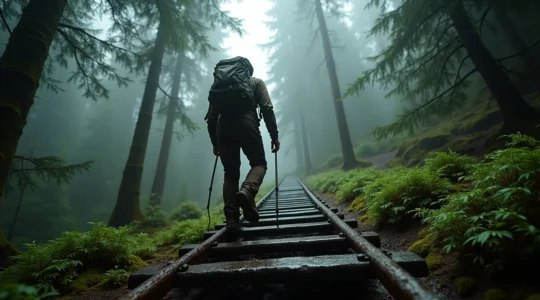
West Coast Trail Preparation: Can You Carry a 40lb Pack for 7 Days on Ladders?
Your gym fitness is a starting point, not a guarantee. The West Coast Trail requires a specific form of functional brutality that most conventional training programs completely ignore. The trail’s primary challenges are not distance or elevation, but relentless, load-bearing…
Read more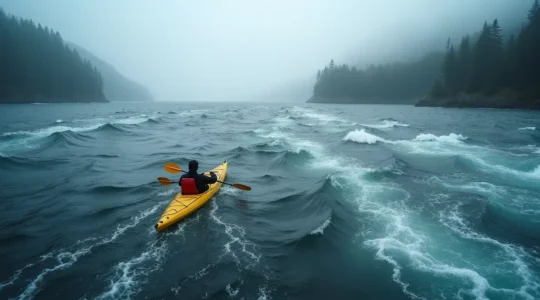
Kayaking the Inside Passage: How to Read Tidal Currents to Avoid Capsizing?
Your extensive kayaking experience is not enough for the Inside Passage; survival depends on mastering the unique tidal hydraulics of British Columbia’s coast. The primary danger is not tidal height, but extreme current velocity created by geographic chokepoints, capable of…
Read more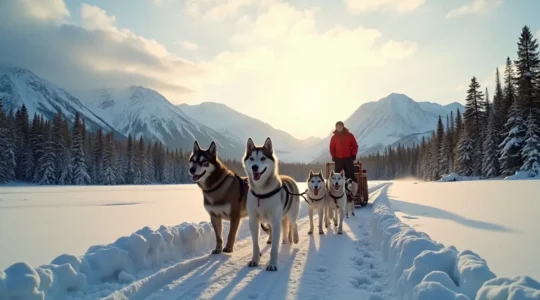
Ethical Dog Sledding: Identifying Humane Operators in the Yukon
The high price of a Yukon dog sledding tour is often the clearest initial sign of ethical, humane animal care. High costs reflect year-round, high-calorie nutrition, veterinary supplies, and complex logistics in Canada’s North. Ethical operators are transparent, encouraging interaction…
Read more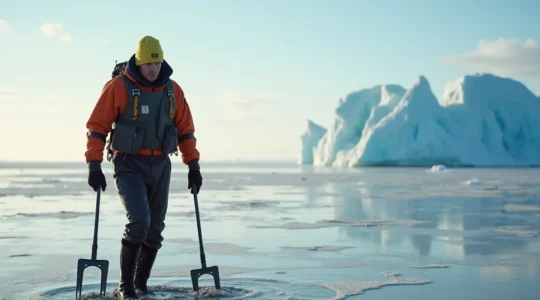
The Polar Dip Challenge: Why Swimming in Arctic Waters Requires Medical Caution?
The viral “polar plunge” trend dangerously misrepresents cold water immersion as a test of willpower; it is, in fact, a severe physiological event that can incapacitate or kill even the fittest individuals in seconds. The initial “gasp reflex” is an…
Read more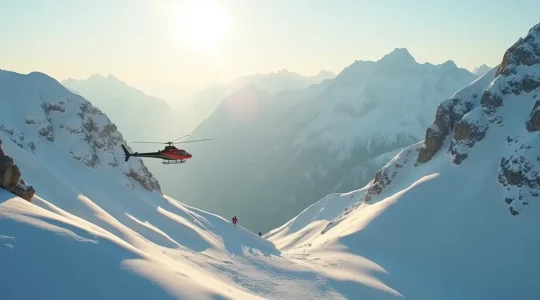
Heli-Skiing in BC: Is the Risk of Avalanche Worth the $2,000 Day Trip?
Successfully heli-skiing in British Columbia is not about ignoring risk, but about systematically managing it through a professional assessment framework. Operator safety is verifiable through specific certifications (ACMG/IFMGA) and trade associations like HeliCat Canada. Your personal gear, fitness, and insurance…
Read more
Flying North: Why Flights to the Yukon Can Cost More Than a Ticket to Europe?
The high price of a Yukon flight isn’t arbitrary; it’s a direct reflection of the ‘Northern Premium’—the stacked costs of fuel, specialized labour, and resilient infrastructure required for remote operations. Costs are driven by limited airline competition and the economic…
Read more
Bear Safety 101: Why Bear Spray Is Mandatory for Your Backcountry Expedition
In the Canadian backcountry, safety “guidelines” are iron-clad rules dictated by a harsh environment and strict regulations; treating them as optional is the first step toward disaster. Your smartphone is not a rescue device; only a dedicated satellite messenger offers…
Read more