Cities on the Move
Modern urban centers are in constant flux, evolving at a pace that challenges even the most seasoned travelers. From Vancouver’s commitment to becoming the world’s greenest city to Montreal’s rich bilingual tapestry, Canadian metropolises represent a new paradigm of urban exploration. “Cities on the move” isn’t just about physical transportation—it encompasses the entire ecosystem of how we work remotely, manage expenses, integrate culturally, and navigate sustainably in unfamiliar urban environments.
Whether you’re a digital nomad establishing temporary roots, a budget-conscious traveler seeking authentic experiences, or an eco-minded visitor prioritizing sustainable choices, understanding the multiple dimensions of urban mobility has become essential. This comprehensive resource connects the fundamental concepts that transform casual visitors into confident urban navigators, covering everything from transit optimization to cultural integration, architectural appreciation to safety awareness.
Living and Working in Transit: The Digital Nomad Perspective
The rise of location-independent work has fundamentally transformed how travelers engage with cities. Canadian urban centers have responded by creating infrastructure that supports this new class of mobile professionals, blending connectivity with community.
Urban Connectivity Infrastructure
Major Canadian cities now compete on digital infrastructure quality. Vancouver’s downtown core offers widespread public Wi-Fi coverage, while Toronto’s tech corridors provide co-working spaces with fiber-optic connections exceeding 1 Gbps. The ability to work seamlessly from cafés, libraries, or shared workspaces has become a deciding factor for nomads choosing their next destination. Many municipalities have recognized this shift, with initiatives providing free internet access in parks, transit hubs, and public squares.
Community Spaces and Professional Networks
Beyond connectivity, successful nomadic living requires social infrastructure. Canadian cities excel at fostering community through dedicated co-working facilities, tech meetups, and industry-specific networking events. Vancouver’s Gastown district and Montreal’s Mile End neighborhood have become hubs where remote workers gather, creating spontaneous collaboration opportunities. Understanding the local coffee culture—from independent roasters to co-working cafés—becomes essential for finding both quality workspace and professional connections.
Cost Comparisons for Mobile Professionals
The financial reality of nomadic life varies dramatically across Canadian cities. While a co-working desk might cost $300-500 monthly in Vancouver or Toronto, smaller cities like Halifax or Winnipeg offer similar amenities at 30-40% lower rates. Factoring in accommodation, transit passes, and daily expenses creates a complete picture that helps nomads optimize their location arbitrage strategy while maintaining quality of life.
Mastering Urban Economics: Smart Budgeting in High-Cost Destinations
Canadian metropolitan areas consistently rank among North America’s most expensive cities, making budget optimization a critical skill for extended stays. However, insider knowledge reveals that even pricey destinations offer accessible experiences for those who understand the local economic landscape.
Transit Cost Optimization
Public transportation represents one of the most significant variable expenses for urban travelers. Most Canadian cities offer tiered fare structures that reward strategic planning:
- Monthly unlimited passes typically break even after 40-50 individual trips
- Day passes suit intensive exploration schedules (usually 2-3 times a single fare)
- Stored-value cards often include transfer privileges lasting 90-120 minutes
- Off-peak discounts available in some systems for midday travel
Understanding these structures transforms transportation from a budget drain into a predictable, optimized expense.
Discovering Affordable Dining and Cultural Experiences
The contrast between tourist-oriented pricing and local value can be stark. A meal in Vancouver’s Gastown might cost $25-40, while nearby Chinatown or Commercial Drive offers comparable quality at $12-18. Similarly, while major museums charge $15-25 admission, most Canadian cultural institutions offer free evening hours or donation-based entry on specific weekdays.
Neighborhoods outside the downtown core—East Vancouver, Toronto’s Leslieville, Montreal’s Hochelaga-Maisonneuve—provide authentic cultural experiences at fraction of tourist-zone prices. Local markets, community festivals, and public art installations offer rich experiences without admission fees, revealing the city’s genuine character beyond manufactured attractions.
Cultural Navigation and Language Bridges
Canada’s multicultural mosaic and official bilingualism create unique integration challenges and opportunities for anglophone visitors, particularly in cities like Montreal where linguistic dexterity becomes essential for full participation in urban life.
Bilingual Urban Environments
Montreal presents North America’s most distinctive linguistic landscape, where French-English code-switching occurs seamlessly in daily interactions. While bilingual signage aids navigation, understanding cultural protocols enhances experiences dramatically. Beginning interactions with “Bonjour/Hi” signals respect for Quebec’s francophone identity while acknowledging linguistic diversity. Restaurant ordering, retail transactions, and service interactions all follow unwritten rules that anglophone visitors benefit from understanding.
Essential Polite Phrases and Cultural Distinctiveness
Even basic French proficiency—greetings, please/thank you, numbers—transforms visitor reception in Quebec cities. The effort demonstrates cultural respect and often elicits warmer, more patient service. Beyond language, Canadian cultural distinctiveness includes:
- Tipping expectations (15-20% standard for table service)
- Queue culture and personal space norms
- Apologizing as social lubricant (the stereotypical Canadian “sorry”)
- Environmental consciousness in daily practices
Experiencing the Arts Scene
Canadian cities invest heavily in cultural programming that reflects their multicultural populations. From Vancouver’s Indigenous art galleries to Toronto’s diverse theater district and Montreal’s renowned festival circuit, the arts provide windows into local identity. Many performances and exhibitions specifically explore themes of cultural integration, bilingualism, and national identity, offering visitors deeper understanding of the Canadian urban experience.
Architectural Discovery and Urban Infrastructure
Canada’s cities offer architectural narratives spanning centuries, from Victorian heritage districts to bold brutalist experiments and contemporary sustainable design showcases. Understanding this built environment enriches urban exploration exponentially.
Brutalist Heritage and Design Districts
The 1960s-70s left an indelible mark on Canadian urban landscapes through brutalist concrete structures that initially faced public backlash but now receive heritage protection. Vancouver’s MacMillan Bloedel Building, Toronto’s Robarts Library, and Montreal’s Habitat 67 represent this polarizing but significant architectural movement. Design-conscious neighborhoods—Toronto’s Junction, Vancouver’s Railtown, Montreal’s Plateau—showcase how industrial zones transform into creative districts where architecture, public art, and urban renewal intersect.
Underground Networks and Transit Systems
Montreal’s RÉSO underground city represents one of the world’s largest climate-controlled pedestrian networks, connecting 32 kilometers of shopping, dining, and transit corridors beneath the city. Understanding this subterranean infrastructure becomes essential during harsh winters, when surface movement becomes challenging. Similarly, Toronto’s PATH system spans 30 kilometers, creating an alternate urban geography that regular visitors master for efficient navigation.
UNESCO Sites and Public Art Integration
Canadian cities increasingly integrate art into public infrastructure rather than confining it to galleries. Vancouver’s public art policy requires new developments to allocate funds for artistic installations, creating an open-air gallery throughout the city. Historic sites, from Quebec City’s fortifications to Halifax’s waterfront, offer UNESCO-recognized cultural touchstones that ground visitors in deeper historical narratives beyond surface tourism.
Sustainable Movement: Green Transportation Choices
Environmental consciousness shapes Canadian urban planning, with cities competing to offer the most comprehensive sustainable mobility options. This commitment aligns with growing traveler preferences for low-impact exploration methods.
The “Greenest City” Ethos
Vancouver’s ambitious sustainability goals have created North America’s highest rates of cycling, walking, and transit use. The city’s comprehensive network of protected bike lanes, coupled with bike-share programs featuring electric-assist options, makes car-free exploration practical and enjoyable. This model has influenced other Canadian cities to prioritize active transportation infrastructure, fundamentally changing how visitors can experience urban environments.
Electric Transit and Equipment Rental
Canadian cities have invested heavily in electric bus fleets, with many systems targeting complete electrification within the coming decade. For visitors, this means:
- Identifying bike-share systems with electric-assist options for hilly terrain
- Understanding e-scooter regulations, which vary significantly between municipalities
- Locating charging infrastructure if using electric rental vehicles
- Exploring water-based transit options like Vancouver’s electric Aquabus ferries
Choosing appropriate equipment—standard versus electric bikes, seasonal considerations for winter cycling—requires understanding both personal fitness levels and local topography.
Urban Green Spaces and Sustainable Dining
Canadian cities preserve extensive parkland within urban boundaries, from Vancouver’s Stanley Park to Montreal’s Mount Royal. These green corridors offer respite from urban density while supporting active transportation routes. Complementing sustainable mobility, local food movements emphasize farm-to-table dining, farmers’ markets, and restaurants highlighting regional ingredients with minimal transportation footprints. Understanding these options allows visitors to align daily choices with environmental values.
Safety, Comfort and Practical Urban Navigation
While Canadian cities rank among the world’s safest, effective navigation still requires awareness of neighborhood dynamics, weather adaptation, and practical amenities access—especially during extended stays or late-hour exploration.
Neighborhood Boundaries and Accommodation Selection
Urban safety in Canadian cities correlates strongly with specific boundaries rather than broad generalizations. Vancouver’s Downtown Eastside presents challenges distinct from the nearby Gastown heritage district, despite minimal geographic separation. Understanding these micro-neighborhood distinctions proves essential for accommodation selection. Resources like local community associations, recent development projects, and transit accessibility all signal neighborhood trajectory and visitor suitability.
Weather Adaptation Strategies
Vancouver’s reputation as a rain city demands specific preparation—waterproof layers, appropriate footwear, and understanding that locals embrace outdoor activities despite precipitation. Walking in persistent rain becomes manageable with proper gear, transforming potential limitations into opportunities to experience the city authentically. Covered walkways, underground networks, and strategic route planning using building overhangs all represent local knowledge that enhances comfort during inclement weather.
Transit Systems and Late-Night Amenities
Mastering local transit extends beyond route planning to understanding operational nuances. Vancouver’s Aquabus system operates on different schedules than the main SkyTrain network. Night bus routes follow alternative paths from daytime services. Locating 24-hour amenities—pharmacies, restaurants, grocery stores—provides peace of mind for visitors adjusting to new time zones or maintaining unconventional schedules.
Cities on the move demand travelers who adapt with equal dynamism. By understanding the interconnected systems—from digital connectivity to sustainable transit, cultural integration to architectural appreciation—modern urban explorers transform from passive tourists into active participants in the urban ecosystem. Each dimension reinforces the others: budget consciousness leads to neighborhood discovery, language skills unlock cultural experiences, sustainable choices reveal green spaces, and safety awareness enables confident exploration. This holistic approach to urban navigation represents the future of meaningful travel in Canada’s evolving metropolitan landscapes.
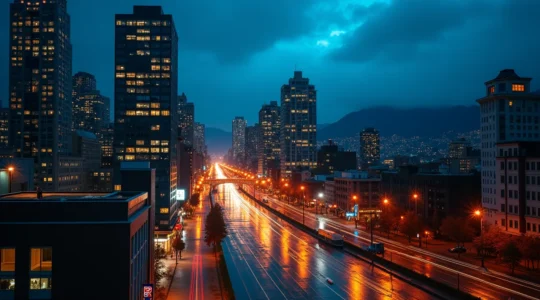
Is Downtown Vancouver Safe at Night? A Solo Traveler’s Guide to Navigating the City
Navigating Vancouver safely at night is not about avoiding entire districts, but about understanding the city’s predictable “safety micro-climates” engineered by urban design and commercial activity. The boundary between tourist-friendly Gastown and the challenging Downtown Eastside is sharp and geographically…
Read more
Biking the Seawall: How to Navigate Vancouver’s Greenest Loop Without Pedestrian Conflicts?
Riding Vancouver’s iconic Seawall can be intimidating with its strict one-way rules and bustling crowds. This guide demystifies the experience by explaining the logic behind the system. Instead of just listing rules, you’ll learn the ‘flow’ of the path, understand…
Read more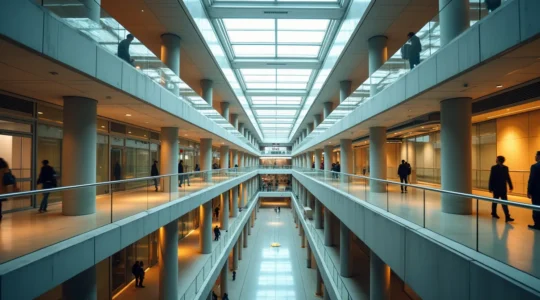
Exploring Montreal’s Underground City: Is the RÉSO a Mall or an Architectural Marvel?
Many visitors arrive in Montreal expecting a unified, subterranean city and instead find a confusing network of shopping tunnels. The confusion stems from a core misunderstanding. The RÉSO isn’t a single, planned entity but an emergent architectural organism that has…
Read more
Do You Really Need to Speak French for a Weekend in Montreal?
The short answer is no, but the real answer is more interesting: your trip’s quality doesn’t depend on French fluency, but on understanding a few key cultural signals. Using basic greetings in French acts as a “politeness signal,” immediately changing…
Read more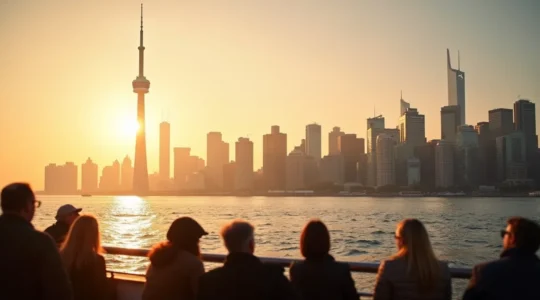
Toronto on a Budget: How to Experience the Downtown Vibe Without Spending $500/Day?
In summary: Master the PRESTO card’s 2-hour transfer window to stack multiple visits on a single fare. Skip expensive downtown restaurants; eat your way around the world for under $20 in Kensington Market. Leverage “neighbourhood arbitrage”: stay in vibrant areas…
Read more
Remote Work in Canada: Which City Offers the Best WiFi Speeds and Co-Working Hubs?
Choosing the right Canadian city is less about preference and more about aligning a city’s specific “Productivity Stack” with your work-life needs. Montreal offers the best overall value, combining the lowest co-working costs with a mature hybrid work culture. Toronto…
Read more