Flavors of the Far North
Canada’s Far North holds a culinary treasure trove that extends far beyond typical restaurant menus. From the coastal communities of Nunavut to the boreal forests of Northern Ontario and Quebec, a unique food culture has thrived for millennia, shaped by harsh climates, resourceful traditions, and deep respect for the land. This distinctive cuisine combines ancient Indigenous knowledge with contemporary innovation, creating flavors that tell stories of survival, celebration, and cultural continuity.
Understanding the flavors of the Far North means exploring ingredients most Canadians have never tasted, techniques passed down through countless generations, and experiences that connect visitors directly to the land. Whether you’re planning a culinary journey through Canada’s northern regions or simply curious about these distinctive food traditions, this exploration covers everything from wild protein sources and traditional preservation methods to hands-on learning opportunities and modern Indigenous culinary renaissance.
Indigenous Culinary Heritage and Modern Innovation
Indigenous cuisine in Canada’s Far North represents one of the world’s most sophisticated food systems developed in extreme conditions. For thousands of years, First Nations, Inuit, and Métis communities have created dishes from ingredients that many would overlook, transforming them into nutritious, flavorful foods perfectly adapted to northern life.
Non-Traditional Proteins and Wild Game
The protein sources that define northern Indigenous cuisine often surprise first-time explorers. Caribou, seal, Arctic char, and muskox form the foundation of traditional diets, each offering distinct nutritional profiles perfectly suited to life in cold climates. These meats provide essential fatty acids and vitamins difficult to obtain from southern agricultural products. Many communities still practice traditional hunting methods, ensuring sustainable harvests that respect animal populations and seasonal cycles.
What outsiders might consider “alternative” proteins represent millennia-old staples. The high fat content in seal meat, for instance, provides crucial calories during long, dark winters. Understanding these choices requires abandoning southern perspectives and recognizing the genius of food systems evolved in unique environments.
Contemporary Indigenous Culinary Renaissance
Recent years have witnessed remarkable growth in modern Indigenous cuisine that honors traditional ingredients while embracing contemporary techniques. Indigenous chefs across Canada are opening restaurants, publishing cookbooks, and training new generations in both ancestral knowledge and culinary school techniques. This movement isn’t about fusion for its own sake—it’s about reclaiming food sovereignty and sharing Indigenous food knowledge on Indigenous terms.
Organizations like the Indigenous Culinary of Associated Nations work to preserve traditional food knowledge while supporting innovation. This dual focus ensures that ancient fermentation techniques, traditional tool usage, and seasonal harvesting practices aren’t lost, even as they’re adapted for modern kitchens and palates.
Wild Foods: Foraging and Sustainable Harvesting
The northern landscape provides an abundance of wild ingredients for those who know where and when to look. Successful foraging requires understanding seasonal rhythms, proper identification, and legal harvesting regulations that vary across provinces and territories.
Berries and Plant-Based Ingredients
Northern Canada’s short but intense growing season produces remarkably flavorful berries. Cloudberries, crowberries, saskatoon berries, and wild blueberries offer complex flavor profiles that commercial varieties cannot match. These fruits have sustained northern communities for generations, preserved through drying, freezing, and fermentation for winter consumption.
Identifying sustainable harvesting practices is crucial. Experienced foragers never harvest more than one-third of available berries in any location, ensuring plants can regenerate and wildlife populations have adequate food sources. Many Indigenous communities maintain traditional harvesting territories where sustainable practices are enforced through community protocols rather than written regulations.
Legal Sourcing and Ethical Considerations
Anyone interested in foraging wild ingredients must understand the legal framework. Provincial and territorial regulations govern what can be harvested, where, and in what quantities. Indigenous treaty rights often provide specific harvesting privileges that non-Indigenous people don’t share. Respecting these distinctions isn’t just legally required—it’s ethically essential.
Organizations like Parks Canada and provincial natural resources departments publish guidelines for recreational foraging. Some areas require permits, while others prohibit harvesting entirely to protect endangered species or fragile ecosystems. Research local regulations thoroughly before foraging any wild ingredients.
Mastering Flavor: From Profiles to Perfect Pairings
Northern ingredients present unique flavor challenges and opportunities. The intensity of wild foods, the richness of traditional proteins, and the complexity of preserved ingredients require different approaches than southern cuisine.
Understanding Distinctive Northern Flavor Profiles
Wild foods carry intense, concentrated flavors that reflect their growing conditions. Berries from short northern summers pack remarkable sweetness and acidity into small packages. Game meats offer pronounced, earthy flavors that grass-fed southern livestock can’t replicate. Traditional preservation methods—smoking, fermenting, and aging—add additional flavor dimensions.
Learning to appreciate these flavors often requires adjusting expectations. Wild foods taste different than supermarket equivalents not because they’re inferior, but because they’re genuine. A wild blueberry contains multitudes of flavor that commercial varieties have been bred to eliminate for consistency.
Beverage Pairings and Flavor Enhancement
Pairing beverages with northern cuisine follows different rules than conventional wine pairing wisdom. The richness of seal or caribou pairs beautifully with full-bodied reds or traditional herbal teas made from Labrador tea or other indigenous plants. Smoked fish finds harmony with crisp lagers brewed with northern water, or spirits infused with local botanicals.
Several Canadian craft breweries and distilleries now incorporate northern ingredients—wild berries, spruce tips, and birch syrup—creating beverages specifically designed to complement regional cuisine. These products offer exciting pairing possibilities that honor local flavors rather than importing southern wine region assumptions.
The Art of Traditional Fish Smoking
Smoking fish represents one of the Far North’s most important preservation and flavor-development techniques. This centuries-old practice transforms fresh catches into shelf-stable foods with complex, layered flavors that improve with proper storage.
Species Selection and Preparation
Not all fish smoke equally well. Salmon, lake trout, whitefish, and Arctic char contain sufficient fat content to remain moist during smoking while absorbing wood flavors beautifully. Leaner species tend to dry out and become tough. Traditional knowledge identifies the best fish for smoking based on seasonal fat content—spring salmon fattened from ocean feeding smoke differently than fall salmon after spawning migrations.
Preparation techniques vary by region and family tradition, but most involve brining or dry-salting before smoking. These steps season the fish, begin preservation, and create the proper texture for smoke penetration. Some communities cut fish into specific shapes that facilitate even smoking and easier storage.
Wood Selection and Smoking Techniques
The wood used for smoking profoundly influences final flavors. Northern smokers traditionally use alder, willow, birch, or fruit woods available in their regions. Each imparts distinctive characteristics—alder provides mild, slightly sweet smoke, while birch adds sharper, more pronounced notes. Many Indigenous smokers combine woods to create signature flavor profiles passed down through generations.
Cold smoking and hot smoking serve different purposes. Cold smoking preserves fish for long-term storage without cooking, creating products like “Indian Candy”—a sweet-savory smoked salmon specialty. Hot smoking partially cooks fish while flavoring it, producing ready-to-eat products with shorter shelf life but immediate eating appeal.
Storage, Transport, and Serving
Properly smoked fish remains edible for months when stored correctly. Traditional storage methods include wrapping in birch bark or cloth and keeping in cool, dry locations. Modern refrigeration extends shelf life further, though some argue it alters texture. Transporting smoked fish requires careful packaging to prevent crushing delicate flesh while allowing air circulation to prevent moisture accumulation.
Serving traditions vary widely. Some communities serve smoked fish at room temperature as snacks or meal components. Others incorporate it into soups, stews, or mixed dishes. Understanding local serving customs enhances appreciation of regional smoking traditions.
Maple: Canada’s Liquid Gold Experience
While maple syrup production occurs across eastern Canada, northern operations offer unique characteristics and visitor experiences that showcase this iconic Canadian product.
The Agricultural Process: From Tree to Table
Maple syrup production requires precise timing and substantial labor. As winter transitions to spring, fluctuating temperatures create pressure changes in maple trees that cause sap to flow. Producers tap trees by drilling small holes and inserting spouts, then collect sap through traditional buckets or modern tubing systems that channel sap directly to collection points.
Walking tubing lines through snow-covered maple forests offers visitors insight into modern production scale. Some operations run kilometers of tubing connecting thousands of taps to central collection tanks. The engineering required to maintain proper flow across varied terrain demonstrates how traditional practices evolve with technology while maintaining core principles.
Boiling, Grading, and Quality Assessment
Raw sap contains roughly 2-3% sugar, requiring approximately 40 liters of sap to produce one liter of syrup. Boiling concentrates sugars while developing complex flavors through caramelization. Traditional operations use wood-fired evaporators that add subtle smoke notes, while modern facilities employ oil or propane for more controlled heat.
Canadian maple syrup grading follows strict standards based on color and flavor intensity. Golden syrup with delicate taste comes from early-season sap, while robust, dark syrup from late-season runs carries pronounced maple character. Understanding these distinctions helps consumers select syrups appropriate for different uses—delicate for pancakes, robust for cooking and baking.
Sugar Shack Experiences and Cultural Traditions
Visiting a sugar shack during production season provides immersive cultural experiences beyond simply tasting syrup. Traditional cabanes à sucre in Quebec serve elaborate meals featuring maple-sweetened dishes, from baked beans to ham glazed with syrup. Entertainment often includes traditional music, dancing, and the highlight for many visitors—maple taffy on snow.
Rolling hot syrup onto clean snow creates instant taffy with unique texture and pure maple flavor. This simple treat demonstrates maple syrup’s versatility and provides visceral connection to production processes. Different shack types offer varying experiences, from rustic family operations to large commercial venues accommodating bus tours. Portion sizes at traditional sugar shack meals are notoriously generous—arrive hungry. Many establishments welcome visitors to bring their own wine, a Quebec tradition that pairs nicely with rich, maple-infused foods.
Substitutions, Storage, and Economic Impact
Pure maple syrup substitutes for refined sugar in most recipes using a ratio of roughly 3/4 cup syrup per cup of sugar, with slight liquid reduction elsewhere in recipes. This substitution adds distinctive flavor while providing trace minerals absent in white sugar. Proper storage in cool, dark locations preserves quality for years, though refrigeration after opening prevents mold growth.
Canada produces approximately 75% of the world’s maple syrup supply, with Quebec alone accounting for over 90% of Canadian production. This industry supports thousands of rural jobs and contributes hundreds of millions to regional economies. Exporting maple products globally shares Canadian food culture while supporting sustainable forest management practices.
Hands-On Learning: Culinary Skills and Traditions
Understanding northern cuisine intellectually differs entirely from developing practical skills. Numerous opportunities exist across Canada for hands-on learning with experienced instructors.
Traditional Techniques and Fire Cooking
Cooking over open fires or in traditional earth ovens requires skills rarely taught in conventional culinary schools. Heat control without thermostats, timing without timers, and flavor development through wood selection all demand practice and mentorship. Several Indigenous cultural centers and wilderness tourism operations now offer workshops teaching these ancestral techniques to interested learners.
Fire cooking develops intuitive understanding of heat, timing, and ingredient behavior that translates to all cooking methods. Participants learn to judge temperature by hand position and duration, to recognize doneness through smell and sound, and to manage multiple cooking tasks simultaneously without modern conveniences.
Specialized Skills: Seafood, Pastry, and Foraging
Northern Canadian cuisine encompasses diverse specialized skills worth dedicated learning. Seafood preparation for northern species—properly filleting Arctic char, preparing seal, or handling other proteins—requires different techniques than southern cooking schools typically teach. Several coastal communities offer workshops led by Indigenous fishers and cooks.
Traditional pastries unique to northern communities, like bannock variations or regional specialties, carry cultural significance beyond mere recipes. Learning proper preparation from knowledgeable instructors provides context that cookbooks cannot convey. Foraging workshops teach identification skills, sustainable harvesting practices, and safety considerations essential for wild food gathering.
Booking Quality Learning Experiences
Selecting appropriate culinary learning opportunities requires research into instructor credentials, program structure, and cultural authenticity. Look for programs led by Indigenous instructors or developed in genuine partnership with Indigenous communities. Avoid operations that appropriate cultural knowledge without proper attribution or benefit-sharing.
Quality programs typically limit participant numbers for hands-on engagement, span sufficient time for meaningful skill development, and provide both theoretical knowledge and practical application. Pricing should reflect fair compensation for instructors’ expertise and cultural knowledge sharing.
Cultural Dining and Traditional Feasts
Experiencing northern food culture through formal meals and traditional feasting offers profound insights into community values, hospitality traditions, and food’s social significance.
Traditional feasts in many Indigenous communities involve communal preparation, generous portions, and specific serving protocols that reflect cultural values. Food sharing demonstrates hospitality, strengthens community bonds, and honors guests. Portion sizes often appear enormous by southern standards, reflecting both traditional food scarcity patterns and cultural emphasis on ensuring no guest leaves hungry.
Understanding proper feast behavior as a guest shows respect for hosting communities. This might include accepting offered food even if unfamiliar, waiting for elders to eat first, or participating in cleanup. Many communities welcome respectful visitors to cultural events, providing extraordinary opportunities to experience authentic northern food traditions in their proper social context.
Modern Indigenous restaurants across Canada increasingly offer refined versions of traditional dishes in contemporary settings. These establishments balance cultural authenticity with accessibility for unfamiliar diners, often incorporating music, storytelling, or educational components that enhance understanding of dishes’ cultural significance.
Agro-Tourism: Field to Table Experiences
Agricultural tourism in northern regions provides direct connections between visitors and food sources, offering experiences that transform abstract knowledge into tangible understanding.
Harvest-focused tourism experiences vary by season and region. Spring might involve maple sugaring activities, summer brings berry picking excursions, fall offers wild rice harvesting in some areas, and winter provides ice fishing opportunities. These activities require careful timing—harvest windows in northern climates are notably brief due to short growing seasons.
Logistics for visitor participation in harvesting activities demand advance planning. Most operations require reservations, many have minimum age requirements for safety reasons, and weather conditions frequently affect scheduling. Wildlife spotting often accompanies harvesting experiences, as animals concentrate around productive food sources. Bears during berry season, migratory birds in fall, and other wildlife create memorable encounters that emphasize food systems’ connection to broader ecosystems.
Quality agro-tourism operations balance visitor experience with sustainable land use and respect for traditional harvesting areas. Engaging with these experiences supports rural economies while building understanding of food production challenges and seasonal rhythms that shape northern life.
The flavors of Canada’s Far North represent far more than exotic ingredients or unusual dishes—they embody cultural resilience, environmental adaptation, and profound connections between people and places. Whether exploring through travel, culinary education, or simply broadening your ingredient palette at home, engaging respectfully with these food traditions offers rewards that extend well beyond the plate.
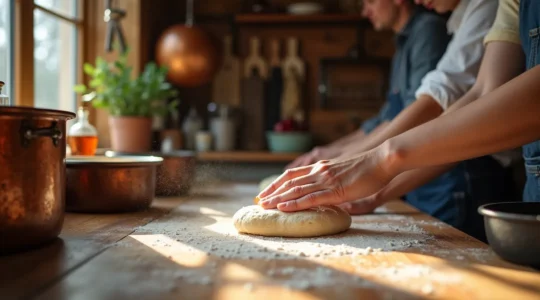
Hands-On Cooking: Where Can You Learn to Make Bannock or Tourtière in Canada?
Learning to cook in Canada is the ultimate souvenir—a skill and a story you take home with you. Focus on hands-on workshops over simple demonstrations for a truly immersive and memorable experience. Prioritize classes that connect you with local producers…
Read more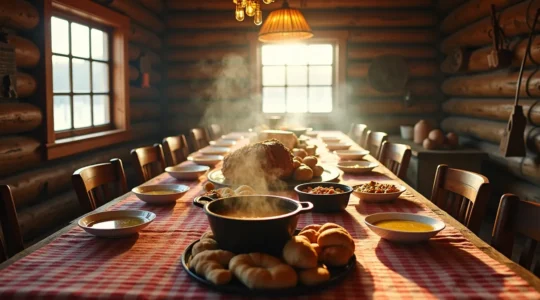
The Traditional Meal: Why Is Pea Soup and Ham Essential to the Sugar Shack Experience?
The Quebec sugar shack meal isn’t just heavy; it’s a calculated culinary blueprint for surviving the harsh 19th-century “sugaring-off” season. Each dish represents a form of “caloric engineering,” designed to refuel workers after intense manual labour in the cold. The…
Read more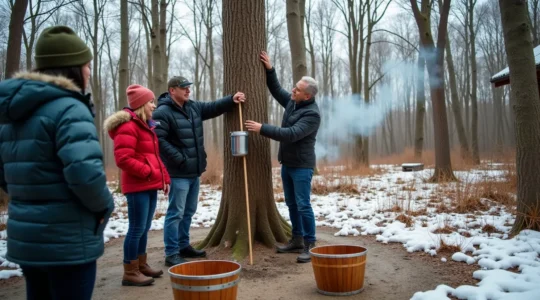
Tapping the Trees: Can Tourists Really Help with the Maple Harvest?
The most authentic sugar shack visit goes far beyond the tasting room; it involves getting your boots muddy and actively participating in the harvest. Most “tours” are passive demonstrations, but true hands-on experiences are available if you know what to…
Read more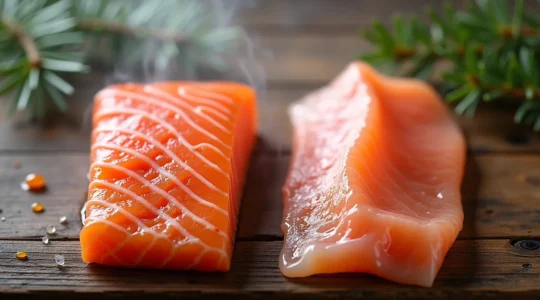
Hot Smoked vs. Cold Smoked: What Is the Difference in West Coast Salmon Styles?
The key difference between West Coast hot-smoked and cold-smoked salmon isn’t just temperature; it’s a triangle of texture, tradition, and species. Hot-smoked salmon is fully cooked, flaky, and defined by the gentle smoke of woods like alder. Cold-smoked salmon is…
Read more
Golden vs. Dark: A Sommelier’s Guide to Choosing the Right Maple Syrup
The colour on a maple syrup label isn’t a measure of quality; it’s a direct snapshot of when the sap was harvested during the brief Canadian spring. Early-season harvests yield Golden and Amber syrups with delicate, lighter flavours. Late-season harvests…
Read more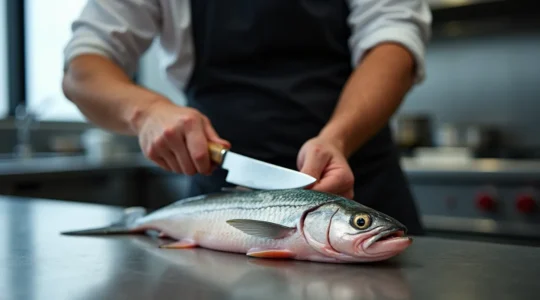
Modern Inuit Cuisine: How Chefs Are Reinventing Traditional Country Food?
The rise of modern Inuit cuisine in Canada is not just a food trend; it’s a masterclass in systemic innovation and cultural resilience. Chefs are blending ancient knowledge with modern techniques to make “country food” safe, consistent, and accessible. This…
Read more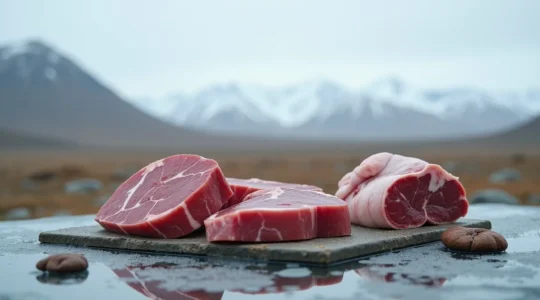
Eating Muskox and Caribou: An Ethical Guide to Canada’s Arctic Meats
Tasting Arctic ‘country food’ is less about consuming an exotic product and more about understanding a complex cultural system. The availability of meats like seal or muskox is governed by a dual system: provincially/territorially inspected commercial sales and a traditional…
Read more