Craftsmanship & Traditions
Canada’s cultural landscape is woven from countless threads: the intricate beadwork of Plains nations, the monumental totem poles of the Pacific Northwest, the hand-hewn timber frames of settler barns, and the rhythmic clack of traditional looms in Québécois villages. These crafts are not museum relics—they represent living traditions passed through generations, each technique carrying stories, spiritual significance, and accumulated knowledge that predates written history. For travelers seeking meaningful connections beyond typical tourist experiences, understanding these traditions transforms a visit from passive observation into genuine cultural exchange.
Yet navigating this rich landscape raises important questions. How can you distinguish an authentic Inuit carving from a mass-produced imitation? What protocols should you follow when photographing a Powwow? Which purchases genuinely support artisan communities rather than exploitative middlemen? This comprehensive resource addresses these questions by exploring the material culture, historical context, and respectful engagement practices that define Canadian craftsmanship and traditions. Whether you’re planning to visit an économusée in rural Québec, commission a Coast Salish weaving, or simply understand the heritage structures you encounter while traveling, this foundation will help you engage thoughtfully with Canada’s diverse cultural heritage.
Indigenous Crafts and Material Culture
Indigenous arts across Canada encompass extraordinary diversity—from Haida argillite carvings to Métis floral beadwork, from Anishinaabe birchbark biting to Inuit soapstone sculpture. Each tradition reflects distinct cultural worldviews, available materials from specific territories, and artistic innovations spanning millennia. Understanding these crafts requires recognizing them not as “folk art” or decorative objects, but as visual languages that communicate clan relationships, spiritual teachings, historical events, and territorial connections.
Verifying Authentic Indigenous Art
The market for Indigenous art unfortunately includes significant quantities of fraudulent work—mass-produced items falsely marketed as “Native-inspired” or “Indigenous-style” that provide no benefit to actual Indigenous artists or communities. In Canada, the Igloo Tag certification program offers one verification tool: genuine Inuit art includes a numbered tag featuring an igloo symbol, registered to specific artists through the Canadian government system. However, this program covers only Inuit art from certain regions, not First Nations or Métis work.
For broader authentication, consider these indicators:
- Artist co-operatives: Purchasing from established co-ops ensures authenticity and fair artist compensation
- Material quality: Authentic pieces use traditional or high-quality materials—birchbark rather than synthetic substitutes, genuine moosehair rather than plastic filament
- Pricing structures: Exceptionally low prices typically signal mass production; skilled artisans invest substantial time and should receive appropriate compensation
- Provenance documentation: Reputable sellers provide artist names, community affiliations, and often photographs of artists with their work
Understanding Regional Artistic Traditions
Canada’s geography creates distinct artistic traditions shaped by available materials and cultural practices. Pacific Northwest nations developed sophisticated wood carving traditions using abundant cedar, creating totem poles, masks, and bentwood boxes with specific formal conventions. Different pole types serve distinct functions—memorial poles honor deceased chiefs, house posts support longhouse structures, and welcoming figures greet visitors. Regional styles vary dramatically: Haida poles feature specific formline design principles, while Coast Salish poles employ different compositional approaches.
In the Arctic, limited timber availability led Inuit artists to master carving in soapstone, bone, and ivory, creating works ranging from small amulets to substantial sculptures. The subarctic boreal forest enabled Dene and Cree nations to perfect birchbark work and quillwork, while Plains nations developed distinctive hide painting and beadwork traditions. Recognizing these regional variations helps travelers appreciate the remarkable diversity within Indigenous artistic production.
Traditional Textiles and Fibre Arts
Textile traditions across Canada reflect both Indigenous practices predating European contact and settler traditions brought from Europe and adapted to local conditions. Traditional Coast Salish weaving, for example, uses mountain goat wool and specially bred woolly dogs (now extinct) combined with plant fibres to create ceremonial blankets on upright looms. These textiles carry family crests and designs with specific ownership rights—they cannot be reproduced without permission, making each authentic piece unique.
In Québec and Atlantic Canada, économusées preserve and demonstrate traditional textile crafts including flax processing, natural dyeing, and historical loom operation. These working workshops allow visitors to observe artisans practicing centuries-old techniques while explaining the labor-intensive processes behind historical textile production. Caring for traditional textiles requires specific knowledge: many cannot withstand modern washing machines and need specialized cleaning to preserve natural dyes and delicate fibres.
When purchasing traditional textiles, trace the heritage by asking about fibre sources (commercially sourced versus hand-processed), dye methods (synthetic versus natural), and whether looms follow historical patterns. Authentic traditional weavings command premium prices reflecting the extraordinary skill and time investment required—a single ceremonial blanket might represent months of work.
Wood Craft and Sacred Materials
Wood holds particular significance across Canadian craft traditions, with western red cedar occupying an especially revered position in Pacific Northwest Indigenous cultures. This remarkable species provides straight-grained, rot-resistant wood that splits cleanly and weathers to silvery gray—ideal properties for totem poles, longhouse construction, canoe building, and countless utilitarian objects.
The Cultural Significance of Cedar
Coast Salish, Haida, Tlingit, and other Pacific Northwest nations call cedar the “tree of life” for good reason. Beyond wood, cedar bark provides material for clothing, baskets, rope, and ceremonial regalia when carefully harvested without killing the tree. The distinctive aromatic scent contains natural preservatives—you can identify authentic cedar by its characteristic smell, which synthetic substitutes cannot replicate. Different cedar species serve different purposes: western red cedar for most carving and construction, yellow cedar for its finer grain and lighter color in detailed work.
Identifying species requires examining bark texture, foliage characteristics, and wood color, skills that traditional knowledge holders teach apprentices alongside proper harvesting protocols that ensure tree survival and express spiritual respect. Understanding cedar’s longevity—properly maintained poles and structures can last centuries—helps explain why communities invest in preservation efforts and traditional raising ceremonies when installing new poles.
Traditional Boat Building and Carving
Indigenous canoe technology represents sophisticated engineering adapted to specific water conditions. Pacific Northwest ocean-going canoes feature high prows designed for waves and distinctive hull shapes created by steaming cedar planks and spreading them over frames. The steaming process softens wood fibres temporarily, allowing dramatic shaping impossible with dry wood—a technique requiring precise temperature control and timing perfected through generations of practice.
Building, paddling, and maintaining these vessels requires specialized knowledge now being revitalized through canoe journey programs where communities paddle traditional routes, reinforcing cultural connections to territories and waterways. Racing events celebrate these traditions while demonstrating the impressive speed these designs achieve. Visitors can sometimes observe canoe building projects or participate in paddling experiences that provide hands-on understanding of these craft traditions.
Architectural Heritage and Living History
Canada’s built heritage ranges from Indigenous pit houses and longhouses to European-influenced stone churches, timber frame barns, and industrial structures like grain elevators. Understanding architectural heritage requires recognizing how structures reflect available materials, climate adaptations, economic systems, and cultural values. A Maritime saltbox house employs different strategies than a Prairie homestead, each responding to local conditions.
Many heritage structures now serve repurposed functions—mills converted to restaurants, churches transformed into cultural centers, grain elevators housing museums. These adaptive reuse projects demonstrate how preservation and economic viability can coexist when communities value historical context while meeting contemporary needs. Alternative accommodation options increasingly include heritage properties: staying in restored historical buildings provides immersive experiences while supporting preservation through tourism revenue.
Photographing heritage structures responsibly means respecting property boundaries, acknowledging when buildings remain private residences or active ceremonial sites, and understanding that some structures hold spiritual significance requiring permission before photography. The structural function of heritage buildings—understanding how post-and-beam systems work, why certain roof pitches exist, how ventilation systems operated—adds depth to visual appreciation.
Engaging Respectfully with Cultural Traditions
Observing living cultural traditions as a visitor requires understanding cultural protocols that govern appropriate behavior. These aren’t arbitrary rules but reflect deeply held values about respect, reciprocity, and community relationships. Missteps typically stem from ignorance rather than malice, which is why learning basic protocols before attending cultural events demonstrates genuine respect.
Cultural Protocols at Ceremonial Events
Powwows—pan-Indigenous gatherings featuring dancing, singing, and community celebration—welcome respectful visitors but operate according to specific protocols. The Grand Entry ceremony that opens powwows carries particular significance: attendees should stand, remove hats, and remain quiet as dancers enter in prescribed order (veterans and flag carriers first, then other categories). Regalia worn by dancers represents significant cultural and spiritual meaning—never call it a “costume”—and often includes items passed through families or earned through specific achievements.
Participation in dances follows invitation: some dances welcome audience participation (emcees will announce this), while others remain exclusive to registered dancers. When inter-tribal or similar participatory dances occur, visitors can join respectfully by following the lead of experienced dancers and moving in the correct direction around the arbor. Buying from vendors supports artists directly, but haggling over prices is generally inappropriate—artisans set fair prices reflecting their skill and materials.
Photography and Documentation Ethics
Photography policies vary significantly across cultural events and sites. Many Powwows permit photography during certain portions but prohibit it during specific sacred dances or ceremonies. Some communities restrict photography entirely at ceremonial events. Always check stated policies and ask permission before photographing individuals—this applies equally to photographing artisans at work, performers, or community members.
Religious heritage sites may restrict photography for spiritual reasons, while others permit exterior but not interior photography. Privacy zones exist in many Indigenous communities—certain areas remain off-limits to visitors, and entering without permission violates both legal property rights and cultural protocols. Respectful visitors recognize that access to cultural traditions represents a privilege, not a right, and prioritize community wishes over personal documentation desires.
Supporting Authentic Craftsmanship and Community Economies
Tourism creates economic opportunities but can also exploit communities when structured inequitably. Identifying Indigenous-owned businesses—tour companies, accommodations, restaurants, galleries—ensures tourism revenue supports communities directly rather than flowing to external operators marketing “Indigenous experiences” without genuine community involvement or benefit.
Some Indigenous communities implement land fees for visitors accessing traditional territories, representing both practical management tools and assertions of territorial jurisdiction. These fees support infrastructure maintenance, cultural programming, and community services. Staying in community-operated lodges and booking Indigenous guides provides income while ensuring cultural interpretation comes from knowledge holders rather than external “experts” who may perpetuate inaccuracies.
Understanding authentic pricing structures helps travelers recognize fair compensation. A hand-carved mask requiring weeks of skilled work, expensive materials, and decades of training to execute properly should command prices reflecting this investment. Suspiciously cheap “Indigenous art” likely involves exploitation somewhere in the production chain—either underpaid artists, fraudulent attribution, or mass production misrepresented as handcraft.
Community storytelling and rural artistic landscapes—like traditional quilt patterns displayed on barn quilts across Ontario and Atlantic Canada, or the distinctive painted grain elevators of Prairie towns—represent collective heritage maintained through community effort. Supporting these traditions might mean attending quilting bees, purchasing quilts from church fundraisers, or contributing to barn preservation initiatives. These less commercialized traditions often depend on volunteer effort and community commitment rather than tourism revenue, yet they form essential components of Canada’s living cultural heritage.
Engaging with Canadian craftsmanship and traditions ultimately requires balancing curiosity with humility, enthusiasm with respect, and appreciation with appropriate compensation. These living traditions continue evolving as contemporary artisans innovate while maintaining connections to ancestral knowledge. Your role as a thoughtful visitor involves continuous learning, respectful engagement, and supporting the communities and individuals who sustain these remarkable cultural practices for future generations.
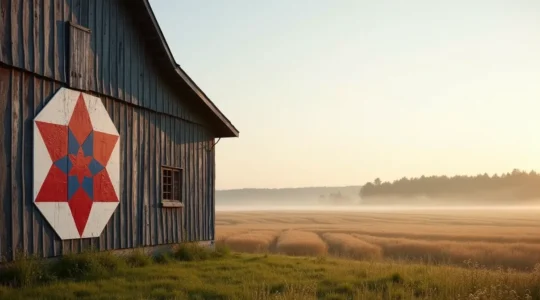
Barn Quilts: How to Follow the Textile Trail Through Rural Canadian Landscapes?
Those colourful squares on rural Canadian barns are more than just decoration; they are your map to a curated journey through local history and community pride. Barn quilt trails transform a scenic drive into a storytelling adventure, with each quilt…
Read more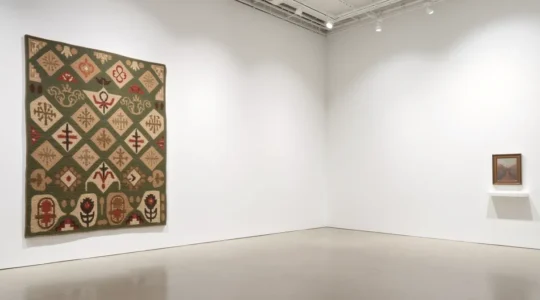
Rug Hooking History: Why Did Maritime Mats Become High-Value Art Pieces?
Contrary to what the humble materials suggest, the high value of a Maritime hooked rug comes not from its components but from the immense, concentrated labor and cultural history woven into its very fabric. The craft transforms discarded clothing (“rags”)…
Read more
Dugout Canoes: How Did Indigenous Engineers Shape Cedar Logs for Ocean Travel?
The West Coast dugout canoe is not a primitive craft; it is a pinnacle of naval engineering, perfectly optimized for the demanding waters of the Pacific Ocean. Indigenous builders employed a sophisticated understanding of thermodynamics, using steam and hot water…
Read more
The Tree of Life: Why Is Red Cedar Sacred to Coastal First Nations Artisans?
Many know the Western Red Cedar as the “Tree of Life,” but its sacred status is not merely symbolic. This reverence is deeply rooted in the tree’s verifiable material science. From its natural fungicides that preserve history to its uniquely…
Read more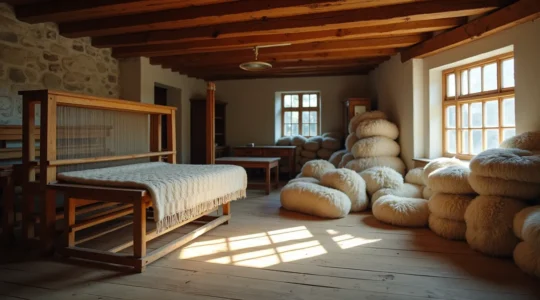
Charlevoix Pure Wool: Why Is Quebec’s Traditional Weaving So Expensive?
The high price of a Charlevoix wool blanket is a direct measure of its authentic Quebecois soul, not an arbitrary markup. It starts with hyper-local, high-quality wool from specific sheep breeds, a resource that is becoming scarcer. Artisanal value is…
Read more
Reading the Poles: What Do the Figures on a Haida Totem Pole Actually Signify?
Contrary to popular belief, understanding a totem pole is not about memorizing a dictionary of animal meanings; it’s about learning to read a complex visual grammar of lineage, rights, and history. The position and interaction of figures (the figural syntax)…
Read more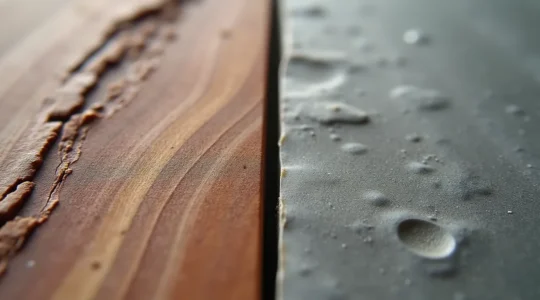
Authenticity Tags: How to Distinguish Real Canadian Craftsmanship from Mass Production?
The fear of buying a counterfeit souvenir is valid; the market is flooded with fakes that exploit both artists and consumers. Authenticity is verified through material science (stone feels cold, resin doesn’t) and structural forensics (hand-knit sweaters are seamless). Official…
Read more
Indigenous Tourism BC: How Your Visit Directly Supports Community Revitalization?
Your visit to Indigenous British Columbia is a direct investment in the economic sovereignty and cultural resilience of First Nations. Choosing authenticated Indigenous-owned businesses ensures revenue directly funds community-owned enterprises and vital services like housing and education. Paying access fees…
Read more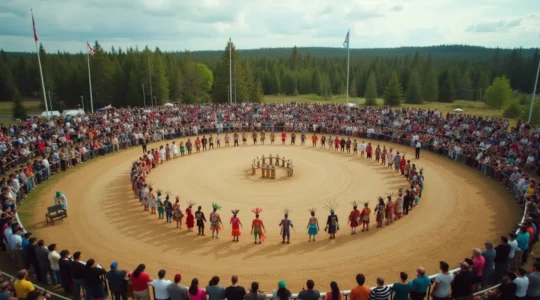
Powwow Etiquette: How Non-Indigenous Visitors Should Behave at Cultural Gatherings
The fear of committing a cultural faux pas shouldn’t stop you from experiencing a Powwow; the key is shifting from memorizing rules to understanding the cultural logic behind them. Regalia is not a costume; it’s a collection of sacred, earned…
Read more
Old Montreal’s Tourist Traps: A Critic’s Guide to Finding Authentic Quebec Cuisine
Visiting Old Montreal isn’t about avoiding tourist traps; it’s about developing the critical eye to dismantle them. Authentic poutine is defined by the “squeak” of its cheese curds, not its price tag or proximity to a landmark. Genuine souvenirs carry…
Read more