Blog
Canada’s vast geography presents travellers with choices that extend far beyond simply selecting a destination. From the coastal rainforests of British Columbia to the maritime charm of the Atlantic provinces, each region offers distinct atmospheric conditions, cultural nuances, and wildlife encounters that fundamentally shape the journey. Understanding these differences before departure transforms a standard trip into a purposeful exploration tailored to individual interests and expectations.
Beyond regional planning, two critical dimensions elevate the modern Canadian travel experience: capturing the country’s breathtaking landscapes through thoughtful photography, and ensuring tourism choices genuinely support environmental and community wellbeing rather than merely marketing themselves as sustainable. This foundation addresses the essential knowledge travellers need to make informed decisions across all three areas.
Why Regional Diversity Shapes Your Canadian Experience
Canada’s 10 provinces and three territories span six time zones and multiple climate classifications, making regional selection one of the most impactful decisions in trip planning. The atmospheric conditions alone vary dramatically: while Vancouver enjoys mild, wet winters with temperatures rarely dropping below freezing, Winnipeg experiences harsh continental winters where temperatures can plunge below -30°C, fundamentally altering what activities are possible and what gear is essential.
Climate Constraints and Seasonal Realities
Each region operates within specific climate boundaries that dictate travel timing. The Canadian Rockies offer prime hiking conditions from late June through September, but mountain passes often remain snow-covered well into early summer. Meanwhile, Churchill’s polar bear migration peaks in October and November, requiring visitors to embrace sub-zero temperatures as part of the experience rather than an inconvenience to endure.
Atlantic Canada experiences distinct seasonal personalities: vibrant autumn foliage transforms New Brunswick and Nova Scotia in late September, while iceberg season along Newfoundland’s coast runs from late spring through early summer. Understanding these patterns prevents disappointment and aligns expectations with reality.
Cost Variations Across Regions
Tourism costs fluctuate significantly by region and season. Accommodation in major urban centres like Toronto and Vancouver typically commands premium rates year-round, with downtown hotels often exceeding $200 per night during peak periods. In contrast, smaller communities in Saskatchewan or New Brunswick offer comfortable lodging at substantially lower price points, sometimes half the cost of metropolitan areas.
Transportation expenses also vary regionally. The extensive public transit networks in Montreal and Vancouver provide cost-effective mobility, while exploring the Yukon or northern Ontario practically requires vehicle rental, adding considerable expense. Food costs follow similar patterns, with grocery prices in remote northern communities sometimes double those in southern population centres due to transportation logistics.
Cultural and Linguistic Dimensions
Canada’s cultural fabric varies distinctly by region, shaped by Indigenous heritage, settler history, and contemporary demographics. Quebec stands apart with its Francophone majority, where French serves as the primary language in daily life, government services, and cultural expression. Montreal offers a bilingual environment, but rural Quebec communities may have limited English services.
Indigenous cultural experiences differ regionally as well. Coastal British Columbia showcases rich First Nations traditions through totem pole carving and longhouse ceremonies, while the prairies offer opportunities to learn about Plains Indigenous cultures and their historical relationship with bison. The Inuit communities of Nunavut and northern Quebec provide insights into Arctic survival knowledge and contemporary northern life.
Wildlife Encounters by Geography
Wildlife opportunities align closely with ecosystem boundaries. The following regional specialties attract nature enthusiasts:
- Western mountains: Grizzly bears, mountain goats, bighorn sheep, and elk in alpine environments
- Prairies: Bison herds, pronghorn antelope, and extraordinary bird migrations
- Northern regions: Polar bears, caribou, muskoxen, and potential aurora viewing
- Atlantic coast: Whales (including right whales and humpbacks), puffins, and seals
- Boreal forests: Moose, black bears, wolves, and migratory waterfowl
Timing Visits for Cultural Events
Regional festivals provide cultural immersion opportunities that reveal local identity and traditions. Quebec’s Winter Carnival in Quebec City celebrates cold-weather culture through ice sculptures, snow sports, and traditional cuisine. Calgary Stampede showcases western heritage with rodeo events and Indigenous performances. The Atlantic provinces host numerous Celtic music festivals reflecting their Scottish and Irish heritage, while Winnipeg’s Festival du Voyageur honours fur trade history through historical reenactments and traditional foods.
Planning around these events requires advance booking, as accommodation becomes scarce and prices increase during major festivals. However, the cultural authenticity and community atmosphere often justify the additional logistical effort.
Capturing Canada’s Natural Beauty Through Photography
Canada’s landscapes present both extraordinary opportunities and distinct challenges for photographers. The country’s diverse terrain—from coastal fjords to prairie grasslands to Arctic tundra—requires adaptive techniques and thoughtful preparation to capture effectively.
Photographing Iconic Landmarks
Canada’s most recognized landmarks attract photographers for valid reasons: Moraine Lake’s turquoise waters, Niagara Falls’ thundering cascades, and the Hopewell Rocks’ dramatic tidal formations offer genuinely spectacular compositions. However, popularity creates predictability. Differentiating your images requires seeking unique perspectives—arriving before dawn for solitary compositions, exploring lesser-known viewpoints, or returning during shoulder seasons when different lighting conditions prevail.
The Parliament Buildings in Ottawa, the CN Tower in Toronto, and the Chateau Frontenac in Quebec City present urban landmark challenges. Rather than replicating countless existing images, consider incorporating human elements that convey scale, waiting for specific weather conditions that add atmosphere, or exploring nighttime photography when illumination transforms these structures.
Understanding Mountain Lighting Conditions
Mountain environments create unique lighting scenarios that demand technical understanding. The thin atmosphere at elevation produces more intense ultraviolet light, requiring polarizing filters to manage sky saturation and reduce haze. Alpine regions experience rapid weather transitions, where brilliant sunshine can shift to dense cloud cover within minutes, fundamentally altering available light.
Golden hour—the period shortly after sunrise and before sunset—becomes particularly dramatic in mountain settings, where angled light rakes across peaks, creating dimensional relief and warm color temperatures. However, this same directional light creates deep shadows in valleys, requiring graduated neutral density filters or exposure bracketing to capture the full dynamic range.
Ethical Wildlife Photography Practices
Photographing Canadian wildlife requires prioritizing animal welfare over image acquisition. Approaching too closely creates stress, potentially disrupting feeding, breeding, or migration behaviors. Telephoto lenses (300mm or longer) allow respectful documentation from distances that don’t alter animal behavior.
Never feed wildlife to attract them for photographs—this practice habituates animals to human presence, ultimately threatening their survival. In national parks like Banff and Jasper, regulations mandate specific minimum distances from different species: typically 30 meters for elk and deer, 100 meters for bears and other large predators. Violating these distances risks both personal safety and substantial fines.
Accessing Remote Photographic Locations
Canada’s most compelling landscapes often lie beyond easy access. Reaching locations like Nahanni National Park Reserve, Torngat Mountains, or the remote sections of the Great Bear Rainforest requires floatplane charters, multi-day hikes, or boat transportation. These logistics demand advance planning, appropriate permits, and realistic assessment of physical capabilities.
For less extreme but still rewarding locations, forestry roads and secondary highways often lead to remarkable scenes without the crowds. Parks Canada maintains numerous backcountry campgrounds accessible only by canoe or hiking, offering photographers exclusive dawn and dusk access unavailable to day visitors.
Managing Crowds at Popular Viewpoints
Popular locations like Lake Louise, Peggy’s Cove, and the Vancouver Seawall attract crowds that complicate photography. Strategic timing offers the primary solution: arrive during the first light, well before tour buses and day-trippers. Weekdays during shoulder seasons (late May or early September) reduce visitor numbers significantly while maintaining favorable weather.
When crowds prove unavoidable, adjust your approach. Use longer exposures with neutral density filters to blur moving people into ghostly absence. Embrace the human element by incorporating visitors as compositional elements that convey scale and popularity. Alternatively, shift focus to detail shots—texture in rock formations, patterns in ice, or intimate wildlife portraits—that remain achievable despite surrounding activity.
Selecting Appropriate Camera Equipment
Canadian environments place specific demands on gear. Weather sealing becomes essential for coastal photography where salt spray and moisture threaten electronics, and for winter conditions where condensation forms when moving between temperature extremes. Carrying lens cloths and protective covers prevents damage during sudden weather changes common in mountain regions.
A versatile focal length range (24-200mm) covers most situations without requiring constant lens changes in dusty or wet conditions. For serious wildlife work, a 400mm or 500mm telephoto lens provides the reach necessary for respectful documentation. Sturdy tripods withstand coastal winds and enable the long exposures valuable for capturing flowing water or night skies.
How to Identify Truly Sustainable Tourism Options
As environmental awareness grows, tourism operators increasingly market themselves as sustainable, eco-friendly, or responsible. However, these claims vary dramatically in substance. Distinguishing genuine environmental and social commitment from superficial marketing requires examining specific operational practices and verified credentials.
Recognizing Authentic Sustainability vs. Greenwashing
Authentic sustainable operations demonstrate commitment through concrete actions rather than vague claims. Look for specific information about how businesses reduce impact: What percentage of energy comes from renewable sources? How is wastewater treated? What portion of food is sourced locally? Genuine operators provide detailed answers; those engaged in greenwashing offer pleasant-sounding generalities without substance.
Question operations that emphasize nature experiences while providing no information about how they protect those same environments. A whale-watching company committed to sustainability will specify vessel speed restrictions, minimum approach distances exceeding legal requirements, and contributions to marine research. Those simply marketing the experience without operational detail may prioritize profit over protection.
Evaluating Waste Management Practices
Effective waste management extends beyond simply providing recycling bins. Comprehensive programs incorporate several elements:
- Source reduction: Eliminating single-use plastics, providing refillable containers, and choosing products with minimal packaging
- Composting systems: Diverting organic waste from landfills through on-site composting or commercial collection services
- Complete recycling: Properly sorting paper, cardboard, glass, metals, and plastics according to local facility capabilities
- Hazardous waste handling: Appropriate disposal of batteries, electronics, and cleaning chemicals through specialized programs
Accommodations and tour operators genuinely committed to sustainability make these systems visible and explain them to guests, recognizing that transparency demonstrates commitment.
Assessing Energy Sources and Efficiency
Energy consumption represents tourism’s largest environmental impact in most contexts. Progressive operators invest in renewable energy systems—solar panels, wind turbines, or geothermal heating—appropriate to their location. In regions where renewable infrastructure proves impractical, purchasing renewable energy credits or carbon offsets demonstrates commitment, though direct renewable generation carries greater credibility.
Energy efficiency measures matter equally: LED lighting throughout facilities, high-efficiency heating and cooling systems, superior insulation standards, and smart building management systems that reduce waste. These investments require substantial capital but signal long-term environmental commitment rather than superficial gestures.
Understanding Wildlife Impact Protocols
Operations offering wildlife experiences must demonstrate clear protocols protecting animal welfare. Responsible operators train staff extensively in animal behavior, maintain equipment (vehicles, boats) in condition that minimizes disturbance through excessive noise or mechanical failures, and limit group sizes to reduce cumulative impact.
They also contribute to conservation beyond their immediate business: funding research, supporting habitat protection, or participating in monitoring programs that inform management decisions. The best wildlife operators function as conservation partners rather than simply extracting commercial value from animal populations.
Checking Community Involvement and Benefit
Sustainable tourism must benefit local communities socially and economically, not just extract profit while leaving minimal local benefit. Examine employment practices: Does the business hire locally, providing training and advancement opportunities? Are seasonal workers treated fairly with appropriate compensation?
Community investment extends further: sourcing supplies from local businesses, supporting community projects, respecting Indigenous rights and cultural heritage, and ensuring tourism development occurs with community consent rather than being imposed externally. Operations embedded in their communities demonstrate this through specific partnerships and initiatives, not vague statements about “supporting local culture.”
Verifying Legitimate Certifications
Several credible certification programs help identify genuinely sustainable operators. Green Key certifies accommodations meeting specific environmental standards in energy, water, waste, and environmental management. The Global Sustainable Tourism Council (GSTC) provides criteria recognized internationally, though relatively few Canadian operators currently hold this certification.
Indigenous Tourism Association of Canada certification indicates Indigenous ownership or authentic partnerships, ensuring cultural experiences benefit Indigenous communities directly. Leave No Trace training certification for guides demonstrates commitment to minimizing wilderness impact.
However, verify certifications rather than accepting claims uncritically. Legitimate certifications link to verifiable databases where you can confirm an operation’s status. Vague references to being “eco-certified” or “green approved” without naming the specific program warrant skepticism.
Informed travel choices across regional planning, photography ethics, and sustainability verification create richer experiences while minimizing negative impacts. These interconnected considerations transform tourism from passive consumption into thoughtful engagement with Canada’s remarkable landscapes, wildlife, and communities.
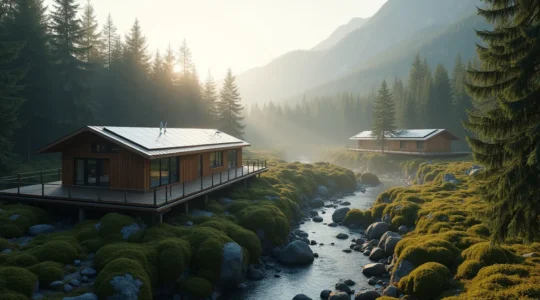
Greenwashing vs. Conservation: An Auditor’s Guide to Genuinely Sustainable Lodges in BC
Most “eco-friendly” labels on BC lodges are marketing; true sustainability is proven through verifiable operational systems, not logos. Genuine eco-lodges can prove how they manage ‘invisible’ systems like wastewater and baseline energy, not just showcase token solar panels. Authentic community…
Read more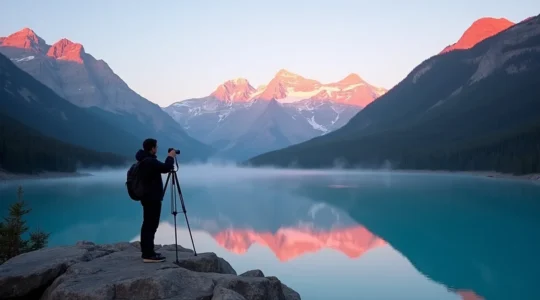
Capturing Canada: Beyond the Postcard at Banff’s 5 Most Iconic Photo Spots
Getting that perfect Banff photo is less about knowing the location and more about mastering the on-the-ground challenges of access, crowds, and ethics. Sunrise at iconic lakes like Moraine is non-negotiable, but requires advance shuttle booking due to private vehicle…
Read more
East Coast vs. West Coast: Which Canadian Vibe Suits Your Travel Style?
Choosing between Canada’s coasts is less about landscapes and more about matching the destination’s inherent rhythm to your personal travel style. The West Coast demands a higher budget and rewards independent adventurers with vast, rugged nature and world-class wildlife encounters….
Read more